 /














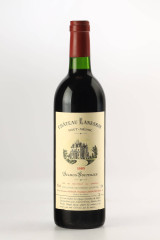

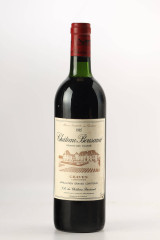
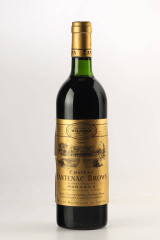






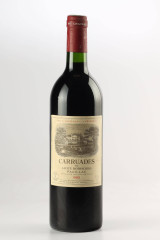


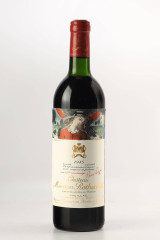


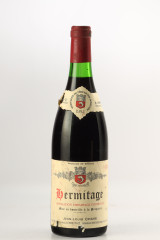


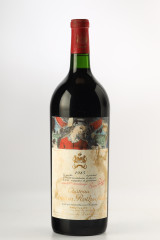
Receive our latest arrivals of 1985 Wine directly in your inbox!
Sign up and be the first to hear about new arrivals.

Would you like to create the composition yourself? Contact us!
 Contact us

In 1985, France's great red wines shared one defining quality: charm. A mild summer and dry fall produced supple, fragrant wines with mellow tannins, appealing from an early age yet built to last. In Bordeaux, the year favored Right Bank Merlot, where Château La Conseillante embodies Pomerol's velvety character, while the Médoc favors elegance. The vintage's greatest achievements lie elsewhere, however: red Burgundy enjoyed one of its finest vintages of the 1980s, and the northern Rhône Valley reached a rare peak with Domaine Jean-Louis Chave. Only Sauternes, deprived of botrytis by an overly dry fall, was less successful. To see where 1985 stands among the great years, explore our Vintage Guide.
Filter
Products (29)
Sign up and be the first to hear about new arrivals.
Absolutely, wines from the 1985 vintage are still very good to drink today and some are even reaching their peak. Considered a great vintage in France, particularly for 1985 Bordeaux and many 1985 red wines, this year produced wines with excellent aging potential.
To fully appreciate a 1985 wine, proper storage is essential. It is also crucial that the wine level is correct to ensure that the wine has not experienced premature oxidation.
The 1985 vintage is unanimously recognized as a very good vintage in France, particularly for red wines from Bordeaux and Burgundy. Often underestimated compared to other famous years, it nevertheless produced 1985 wines of exceptional quality and remarkable longevity.
In Bordeaux 1985, ideal weather conditions allowed the grapes to reach optimal maturity, giving birth to elegant and complex 1985 grand wines. Many 1985 classified growths are still magnificent today. Burgundy, Champagne, and the Rhône also offered superb 1985 wines.
The 1985 vintage is considered an excellent year for many French wines, particularly Bordeaux reds and Rhône Valley wines, as well as some champagnes. It is characterized by rich, balanced wines with good aging potential.
Among the best wines from 1985, you can find:
In Bordeaux, several Grands Crus Classés stood out. Among them, Château Lafite Rothschild 1985 and Château Latour 1985 from Pauillac, Château Haut-Brion 1985 (as well as Château Haut-Brion Blanc 1985 in white) from Pessac-Léognan, Château Gruaud Larose 1985 from Saint-Julien and Château Lynch Bages 1985 from Pauillac are excellent achievements, offering complexity and elegance.
In the Rhône Valley, the Jean-Louis Chave Hermitage Rouge 1985 is also a benchmark for this vintage, known for its depth and aging ability.
For champagnes, the Charles Heidsieck Blanc Des Millénaires 1985 is an excellent example of the quality of this vintage for sparkling wines.
These wines, although rare and often expensive, represent the pinnacle of the 1985 vintage and are collector's bottles for wine enthusiasts.
The 1985 vintage can be summed up simply: it was a great year for red wine. After a harsh winter, the coldest since 1956, a mild summer and a long, dry, sunny fall brought healthy grapes to excellent ripeness. The result is a distinctive style marked by suppleness, fragrance and mellow tannins: wines that were charming from an early age without sacrificing longevity. Bordeaux produced reds of rare elegance, but Burgundy and the northern Rhône Valley took the year to its greatest heights, while Champagne produced age-worthy cuvées from a difficult harvest. The only real setback was in Sauternes, where the dry fall prevented noble rot from developing.
In Bordeaux, 1985 was first and foremost a Merlot year. A dry, sunny fall brought the grape to ideal ripeness on the Right Bank, giving Pomerol and Saint-Émilion fleshy, velvety reds that rank among the year's successes. On the Left Bank, Cabernet Sauvignon ripened with more difficulty, partly because of high yields. The Médoc and Pessac-Léognan therefore favor finesse and fragrance over power, with the best results coming from estates that limited their yields and waited for full ripeness. The dry whites of Graves also excelled. The only disappointment was Sauternes: a radiant September favored the reds but deprived the sweet wines of the damp mists needed for botrytis, the “noble rot” that concentrates their sweetness. The result was fresh, refined Sauternes rather than rich wines, far from the heights of the great surrounding vintages.
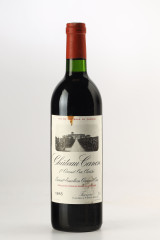
In Saint-Émilion, Château Canon expresses finesse from its limestone soils, while Château Angélus offers a fleshier, spicier wine. In Pomerol, Vieux Château Certan makes one of the plateau's most accomplished reds. On the Left Bank, Pauillac delivers an impressive lineup, with Château Lynch Bages exemplifying its consistency, while Saint-Estèphe performs particularly well. Beyond these benchmarks, the Médoc's first growths and the leading Right Bank estates confirm the overall quality of Bordeaux's 1985 vintage.
Aging potential: the best Right Bank and Médoc reds are drinking well and still holding up; check the fill level and label before buying a forty-year-old bottle.
For red Burgundy, this is one of the finest vintages of the decade. A warm summer and dry September brought Pinot Noir to full ripeness, with generous yields. The wines are round, supple and appealing, with ripe fruit and moderate acidity that give them immediate charm without compromising their balance. Long suspected of lacking staying power, well-preserved grands crus have dispelled those fears and are showing remarkably well today. The Côte de Nuits accounts for the finest results, from vineyards where the year's ripeness found its fullest expression.
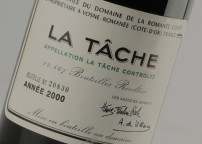
In Vosne-Romanée, Domaine Gros Frère et Sœur brings out the vintage's generosity in its Grands Échezeaux, while Domaine de la Romanée-Conti offers its most accomplished expression for those seeking a truly great Pinot Noir from the year. Around them, the great vineyards of the Côte de Nuits reveal a 1985 that is both charming and complete, and has aged beautifully.
Aging potential: ready to drink at their peak; buy only well-preserved grands crus whose provenance can be verified.
In the northern Rhône Valley, 1985 was a year of full ripeness. Syrah ripened fully and evenly, producing rich, generous, appealing wines with silky textures and deep dark-fruit flavors. Less taut than some classic vintages, they charm with their roundness and long, spicy finish, while the best Hermitage and Côte-Rôtie cuvées have real aging potential. The southern valley also enjoyed a successful year, producing generous, sun-ripened wines.
In Hermitage, the La Chapelle cuvée from Paul Jaboulet Aîné embodies this Rhône ripeness, with ripe fruit, spice and smoky notes now on full display. In Côte-Rôtie, the best estates produced more delicate, fragrant wines true to the appellation's floral finesse. From mellowed power to aromatic elegance, the northern Rhône shows both sides of its character in 1985.
Aging potential: Hermitage and Côte-Rôtie are drinking beautifully today, and the best cuvées can age further.
The 1985 Champagne vintage is a story of patience rewarded. Severe winter cold sharply reduced the harvest, but the grapes that reached maturity yielded wines of remarkable structure and acidity, promising a long life in the cellar. It is a sought-after vintage, with the Côte des Blancs and its Chardonnay standing out in particular. Four decades later, the best vintage cuvées have gained depth and complexity, with notes of ripe fruit, brioche and candied citrus.
The major houses made benchmark bottles that year, including Dom Pérignon, whose 1985 ranks among the decade's classics, as well as prestige cuvées aged for many years on their lees. These are gastronomic Champagnes to save for special occasions, a reminder that a difficult growing season can still produce exceptional wines.
Aging potential: a sparkling wine built to last; open for a special occasion, ideally from a magnum for the longest aging.
Beyond the major red-wine regions, 1985 offers a few distinctive bottles. In the Loire Valley, the Coulée de Serrant from Nicolas Joly, a biodynamically farmed Savennières monopole, produces a dry Chenin Blanc with outstanding aging potential: taut and complex, now mellowed by notes of quince, honey and dried fruit. It is one of the few dry French whites capable of lasting for decades.
The vintage also shines beyond France. In the Douro, 1985 was one of the great years for Port: producers made vintage Ports from a single year's harvest, bottled young for extended aging in the cellar. Rich, structured and exceptionally long-lived, they are now reaching maturity and offer a reliable introduction to great age-worthy wines. In Spain, the best Ribera del Duero reds, aged extensively before release, add an international dimension to a selection of wines built to last.
Aging potential: Savennières Chenin and 1985 Ports are among the year's most reliable wines for aging, with no rush to drink them.
1985 wines appeal to enthusiasts seeking a great red that's ready to drink yet still has aging potential: a Right Bank or Médoc Bordeaux, a Côte de Nuits Burgundy cru, an Hermitage or Côte-Rôtie from the northern Rhône, complemented by a gastronomic Champagne and a few age-worthy finds from the Loire, Douro and Spain. A specialist in older vintages, SoDivin selects each bottle for its provenance, fill level and drinking potential, then stores it under controlled conditions before shipping. Whether you're looking for an enticing red to open tonight or a birth-year bottle to give as a gift, our SoDivin Vintage Guide helps you identify the most successful 1985 appellations.


