 /


















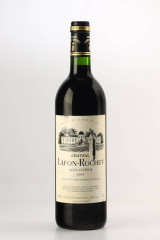


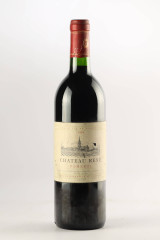


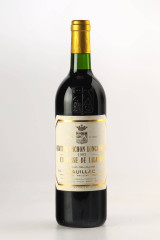
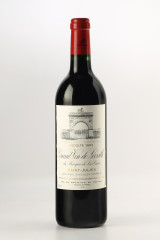




Receive our latest arrivals of 1993 Wine directly in your inbox!
Sign up and be the first to hear about new arrivals.

Would you like to create the composition yourself? Contact us!
 Contact us

The 1993 vintage paired a fine summer with heavy September rain: in Bordeaux, the grapes were diluted, and only rigorous sorting made the difference. The reds are supple, medium-bodied, already mature, and better suited to the table than long cellaring. The year’s hierarchy is clear: the Right Bank, harvested before the rain, fared better; careful selection pays off in the Médoc and Pessac-Léognan; and Sauternes sweet wines are best avoided because botrytis (noble rot) failed to develop. The real success is in Burgundy, where Côte de Nuits reds combine structure and fruit. Among Bordeaux wines, Château Mouton Rothschild is a pleasant surprise from the vintage, while Maison Louis Jadot demonstrates the staying power of great red Burgundies. To see how 1993 compares with other years, consult our Vintage Guide.
Filter
Products (31)
Sign up and be the first to hear about new arrivals.
1993 is a respectable but uneven vintage that calls for careful selection. Rain during the harvest made the wines lighter, especially in Bordeaux: its reds are refined and medium-bodied, better enjoyed now than left to age. The best bottles come from estates that selected their grapes rigorously, such as Château Latour—which changed ownership that year—and whose wine remained focused and elegant. Red Burgundy stands out, with wines of greater structure and depth. In short, 1993 rewards selective buyers: look for reputable estates and bottles ready to enjoy.
The two regions offer different drinking experiences in 1993. The Bordeaux classified growths offer elegant reds that have already opened up and are ready to drink now, provided you choose estates that harvested well—particularly on the Right Bank and among the best Médoc growths. Red Burgundy, especially from the Côte de Nuits, offers more full-bodied wines that have retained their substance and can wait a few more years. For immediate enjoyment and a reliable choice, mature Bordeaux is ideal; for a wine with more depth, turn to Burgundian Pinot Noir. Both approaches have their appeal, depending on the occasion and personal taste.
To celebrate a birth year of 1993, the good news is that the wines are now ready to drink: there’s no need to wait before opening them. A Médoc or Pessac-Léognan classified growth, or a fine red from the Côte de Nuits, makes a personal gift that’s ready to share. It’s best to favor wines from well-regarded estates, which produced more consistently in this challenging year. A magnum, when available, makes the gift even more special and often ages better. It’s a chance to mark the date with a bottle you can uncork without waiting years.
The 1993 vintage followed a pattern that became familiar in the 1990s: a fine late summer followed by rain at harvest. In Bordeaux, the rain diluted the grapes, yielding lighter reds to drink now. Elsewhere, the story is different: red Burgundy weathered the rain better and is the year’s real success, while the Rhône and Sauternes sweet wines fell short. Here is what you need to know, region by region, to buy with confidence.
On the Left Bank, 1993 produced medium-bodied reds with supple tannins and fruit that has already evolved. Dilution from the September rains explains this profile: Médoc Cabernet lacked concentration, and success depended above all on rigorous sorting. Saint-Julien was the most consistent commune, ahead of the more variable Margaux and Pauillac. Pessac-Léognan reds are enjoyable, while the appellation’s dry whites, aided by their natural acidity, rank among the Left Bank’s best wines of the year. These are wines to drink, not to wait on.
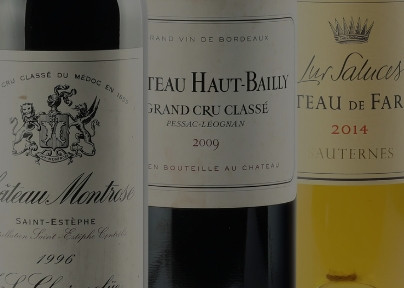
Among the Médoc’s reliable choices, Château Montrose in Saint-Estèphe is one of the 1993 wines that has aged gracefully, as has Château Pichon Longueville Comtesse de Lalande in Pauillac, true to its velvety style. In Pessac-Léognan, the top Graves estates benefited from earlier ripening, and the dry whites of the Pessac-Léognan appellation are particularly worth considering from this vintage. Fans of classic Médoc will also find elegant bottles among the classified growths that emphasized careful selection. These honest, distinguished wines are ready to drink now.
Aging potential: most 1993 Left Bank reds are at or past their peak; open them soon, and check the fill level and cork condition before buying.
Bordeaux’s Right Bank came out ahead in 1993. Earlier-ripening Merlot was often harvested before the heaviest rains, limiting dilution in Saint-Émilion and Pomerol. The wines are fleshier and rounder than those from the Left Bank, with more generous fruit. That does not erase the vintage’s middling character, but it does offer buyers balanced, enjoyable reds. This is the first place to look for a well-made 1993 Bordeaux.
In Pomerol, Château La Fleur-Pétrus shows the plateau’s finesse in this vintage, with a light, fragrant style. In Saint-Émilion, Château Cheval Blanc produced an elegant, easy-drinking wine, typical of a great terroir that rises above difficult vintages. Other Pomerol estates, helped by well-drained soils, produced round, approachable bottles. Together, they offer a reliable selection for anyone seeking a red to enjoy now.
Aging potential: Right Bank wines are drinking well now; enjoy them over the next few years and favor bottles with a well-documented provenance.
Red Burgundy is the standout success of 1993. Unlike in Bordeaux, the rains took less of a toll on Pinot Noir: thick skins helped protect the grapes from dilution, producing rich, well-balanced wines. The Côte de Nuits clearly outshines the Côte de Beaune, with firmly structured reds whose tannins have softened over time. Many of these bottles still have life in them and rank among the decade’s finest reds. Decanter also rates the year as an age-worthy vintage for red Burgundy.
Côte de Nuits grands crus are at the heart of the selection: around Gevrey-Chambertin, the reds combine power and length, while Vosne-Romanée and Chambolle-Musigny offer more perfumed styles. Wines from meticulous négociants and estates, featured among our Burgundy crus, are approachable today yet still supported by fine acidity. These accomplished Pinot Noirs suit both a special occasion and a thoughtfully managed cellar. For this vintage, red Burgundy deserves first place on an enthusiast’s shopping list.
Aging potential: Côte de Nuits reds still have life in them and can be enjoyed now or kept for a few more years; the more fragile 1993 whites should be opened soon.
The 1993 vintage was difficult in the Rhône Valley. In the north, September rains yielded Syrah wines that are rather light and austere, falling short of the great neighboring vintages. Here too, success depended on the most exacting producers, who could sort their grapes and limit yields. The south saw periods of heavy rain, with results that were adequate but no more. Approach this vintage cautiously and focus on reliable producers.
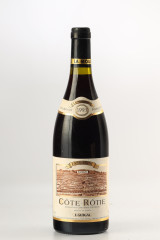
In Côte-Rôtie, Domaine Guigal maintained its standards in its single-vineyard wines, producing carefully made bottles despite the conditions. Hermitage wines from reputable producers also offer focused bottles, even if they lack power. These reds are better suited to enthusiasts curious to compare vintages than to buyers seeking concentration. Choose them for their finesse and interest, not for cellaring.
Aging potential: drink 1993 Northern Rhône wines now; best suited to enthusiasts who choose leading producers.
The Loire rounds out this tour of France on a lesser-known note. In 1993, dry Chenin whites made more of the year than many reds, thanks to the grape’s natural acidity. In Savennières, the wines combine tension and depth with the appellation’s distinctive mineral character. These are food-friendly whites that may surprise with their longevity. Bottles are scarce, but worth seeking out for Chenin enthusiasts.
The appellation’s flagship wine, made by Nicolas Joly at Coulée de Serrant, exemplifies this focused, saline style, underpinned by biodynamic viticulture. It is a demanding wine that rewards patience: decant it and serve it with food. For anyone seeking a characterful dry white from 1993, the Loire offers a distinctive option.
Aging potential: dry Savennières Chenins are still holding up; enjoy them with a meal and check storage conditions before buying.
In short, 1993 is a vintage for the discerning enthusiast: there are lovely mature Bordeaux wines that are ready to open, and above all, red Burgundies that remain the year’s safest bet. Seek out producers who sorted their grapes carefully and favor bottles ready to drink, while setting aside a few Côte de Nuits wines for the years ahead. To compare 1993 with neighboring vintages and refine your selection, our Vintage Guide takes you through each region. Our team is also here to help you find the right bottle for your occasion.