 /
/ 



















Receive our latest arrivals of Champagne Dom Perignon directly in your inbox!
Sign up and be the first to hear about new arrivals.

Would you like to create the composition yourself? Contact us!
 Contact us


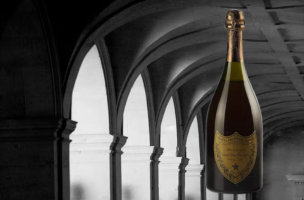
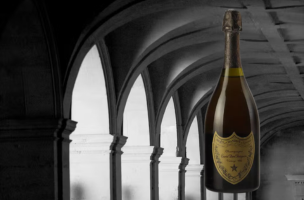
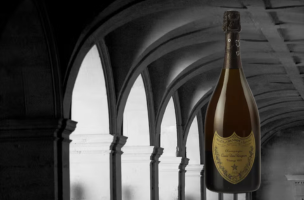
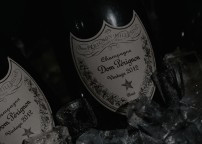
Dom Pérignon is the prestige cuvée born in the wake of the Abbey of Hautvillers, where the monk Dom Pierre Pérignon worked, at the heart of the Champagne appellation. Its founding rule has never changed: every bottle comes from a single year's harvest, with no blending of several vintages. The wine is born from the union of chardonnay and pinot noir, gathered from the great terroirs of the Côte des Blancs and the Montagne de Reims. Aged for long years resting on its lees, it develops a fine bubble and a chalky freshness that define its style. The house only declares a vintage when the harvest meets its exacting standards, meaning that some years simply yield no Dom Pérignon.
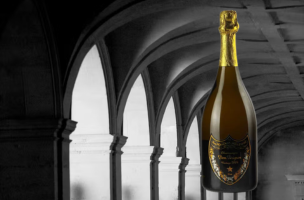
Its great vintages punctuate the recent history of Champagne. The 1996 remains a reference for its balance between maturity and vivacity, while the 2002 vintage established itself as one of the estate's greatest achievements at the turn of the century. Closer to us, the 2006 continues this lineage, including in its rosé version.
Read moreFilter
Products (3)
Sign up and be the first to hear about new arrivals.
The name Dom Pérignon pays tribute to a Benedictine monk who, from 1668 onward, kept the accounts and managed the vines of the Abbey of Hautvillers, near Épernay. He is credited less with the invention of Champagne — often exaggerated — than with patient work on the blending of grapes and the care given to the wines of the region. The modern cuvée bearing his name came much later: the house of Moët & Chandon declared a first vintage in 1921 and put it on sale in the mid-1930s. From the very beginning, the idea was simple and demanding: to reserve this name for an exceptional Champagne, produced one year at a time. Today owned by Moët & Chandon, within the luxury group LVMH, Dom Pérignon has become one of the most famous Champagnes in the world, without ever abandoning that founding discipline.
A Champagne is first built by its grapes and the villages they come from. Dom Pérignon draws from a select circle of terroirs ranked among the finest in Champagne, spread around Épernay: the Côte des Blancs, renowned for its delicate chardonnay, and the Montagne de Reims, where pinot noir brings structure and depth. The chalk subsoil plays a discreet but decisive role here: this white, porous rock stores water and releases it slowly to the vines, while also reflecting light. It is what gives these Champagnes their mineral tension, that impression of clean freshness found, year after year, in the house's style. This close bond to place explains why Dom Pérignon seeks not power but harmony.
Each vintage rests on a dialogue between two complementary grape varieties. Chardonnay brings elegance, notes of citrus and white flowers; pinot noir gives the body, the fruit and the length on the palate. The two are blended in proportions adjusted to each harvest, then the wine goes to rest for several years in the cellar, lying on its lees — the yeasts that gave birth to the bubbles. This long stay, far more extended than for an ordinary Champagne, gradually enriches the wine with aromas of brioche, almond and ripe fruit, and refines its bubble until it becomes almost creamy. The house has moreover formalized this idea of maturity with its "Plénitudes": the same vintage can be released at different stages of aging, each revealing a new facet of the wine. At the table, a Dom Pérignon pairs just as well with seafood and a fine fish as with a cream-sauced poultry dish, and is best served at around 10 degrees, in a glass wide enough to release its aromas.
Dom Pérignon is a wine built for aging, designed to evolve. A great vintage can be kept for several decades under good conditions, gaining in complexity what it loses in vivacity: the fresh notes of its youth give way to aromas of candied fruit, honey, toast and undergrowth. Enthusiasts appreciate precisely this transformation, which means that the same cuvée never offers quite the same pleasure at ten, twenty or thirty years. International critical recognition has accompanied the house for decades and places it among the very top references in Champagne, a consistency at the highest level that explains the enduring appeal of its older vintages. To appreciate them, however, one must ensure proper storage: a cool, dark and stable cellar remains the best ally of a Champagne destined to age.
Dom Pérignon shares the summit of the Champagne region with a handful of prestige cuvées, each true to its own style. Krug cultivates a more vinous and oaked approach, where the blending of numerous reserve wines takes precedence over the idea of a single year. Louis Roederer, with its Cristal cuvée, pursues a crystalline purity drawn from its own vineyards. Bollinger, finally, bets on vinosity and the pinot noir of Aÿ, with a fuller-bodied character. Against these neighbors, Dom Pérignon stands apart through its single-vintage rule and its quest for balance between power and finesse that runs through all its cuvées. Together, these houses carry the renown of an appellation where time and terroir matter as much as craftsmanship.