 /






















Receive our latest arrivals of 1963 Wine directly in your inbox!
Sign up and be the first to hear about new arrivals.

Would you like to create the composition yourself? Contact us!
 Contact us

The 1963 vintage had two very different outcomes. In France, a cold, rainy summer, rot and then hail produced light, acidic reds with no aging potential. In the Douro Valley, by contrast, Port enjoyed one of its greatest declared years of the century, now fully mature: this is where the vintage’s appeal lies, from long-aging Vintage Ports to colheitas mellowed by many years in cask. In Bordeaux, it was one of the toughest postwar years: only a few elite producers overcame the conditions, notably Petrus in Pomerol and the sweet wine from Château d'Yquem in Sauternes. Rare and already ready to drink, 1963 rewards buyers who choose carefully and prioritize reliable provenance. To see how the year compares with its neighbors, consult our Vintage Guide.
Filter
Products (4)
Sign up and be the first to hear about new arrivals.
It depends on the region. In France, 1963 was a difficult year: Bordeaux produced light, acidic reds, and successes elsewhere were rare. In Portugal, it was the opposite: the Douro enjoyed an ideal autumn, and almost every Port house declared a vintage, something that happens only in truly great Vintage Port years. These Ports are now at their peak, deep and still firm, as exemplified by the wines of Burmester. For wine lovers, then, 1963 is above all a great Port vintage, complemented by a handful of exceptional Bordeaux bottles.
Port comes first: age-worthy Vintage Ports and colheitas aged for a long time in cask are at the heart of the vintage and offer the best balance of enjoyment and reliability. In Bordeaux, stick to producers that overcame the year's challenges, notably Château d'Yquem's sweet wine and, in Pomerol, Petrus. These rare bottles are valued as much for their history as for how well they have held up. Left Bank enthusiasts may prefer to explore Bordeaux classified growths from more favorable vintages. In short: Port first, followed by the rare Bordeaux gems.
Yes, provided you choose carefully. To mark a birth year or anniversary, a 1963 wine should be selected from the year's successes, not picked at random. A Vintage Port or colheita is a reliable choice: these fortified wines age remarkably well and can still be enjoyed with confidence after six decades. Among French wines, a great sweet Sauternes is the most evocative choice for marking a date. Avoid ordinary French reds from that year, however, as they have not stood the test of time.
The 1963 vintage is a tale of two outcomes. In France, a difficult year for weather left few wines fit for aging, while the Douro produced one of its greatest Vintage Ports of the twentieth century. For today’s wine lover, the priority is clear: Port first, then a handful of Bordeaux bottles capable of overcoming a hostile season. Here is what to expect, region by region, and how to buy wisely.
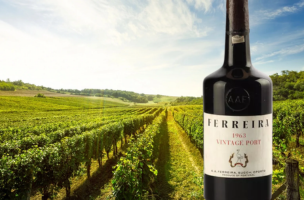
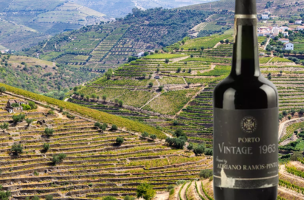
In 1963, the Douro enjoyed an almost perfect growing cycle: after a dry summer, a sunny fall allowed the grapes to ripen slowly and fully. Nearly all the houses declared the vintage, a rare occurrence reserved for truly great years. The wines are deep and structured, with remarkable length, and many seem younger than their age today. Alongside 1945, it is one of the definitive benchmarks for twentieth-century Vintage Port.
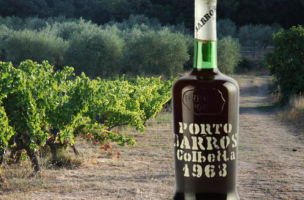
Two styles define the year. Vintage Port, bottled young and then aged for decades in the cellar, offers a mature spectrum of candied fruit, spice and leather over a still-firm structure. Colheita, a single-year Port aged for many years in cask before bottling, has a softer texture and notes of dried fruit, caramel and walnuts: it is the most accessible and reliable introduction to old vintages. Among the year’s wines, the cuvées from Barros show the mellow charm of colheitas, while declared Vintages demonstrate the longevity of these great bottles.
Aging potential: at their peak, these Ports can be enjoyed now and will keep for many years yet; check the fill level and cork condition, then decant to separate the sediment.
In Bordeaux, the year was one of the most difficult of the postwar era. A cold, wet summer encouraged rot, hail reduced yields, and a late harvest in the rain produced dilute reds with harsh, green acidity that aged poorly. Conditions were so difficult that some leading estates chose to declassify their entire harvest rather than release a wine unworthy of their name. In the Sauternes area, botrytis—the “noble rot” that creates great sweet wines—rarely developed cleanly.
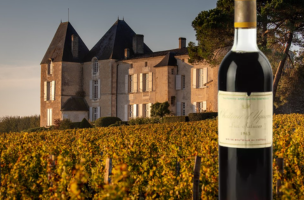
A few notable names do stand out. In Pomerol, on a Right Bank that fared better than the Médoc, the best estates produced wines of historical interest, sustained by the consistency of their terroirs. In Sauternes, the most stringent sorting saved a few rare sweet wines, among the year’s only convincing survivors, to be sought among the classified growths of Sauternes. These are bottles for knowledgeable enthusiasts, chosen as much for their history and reliable provenance as for the pleasure of drinking them.
Aging potential: reserve for exceptional bottles and sweet wines; favor reliable provenance and impeccable fill levels, and open the already fragile reds without waiting too long.
Burgundy 1963 — The least troubled French region, with whites coming out ahead
Burgundy fared better than Bordeaux, though it fell short of greatness. A sunny late season and a very late harvest, sometimes in November, saved part of the crop. The whites outshine the reds: the Côte de Beaune made clearer, fresher wines, while some Côte de Nuits reds lacked body. The style is bright and airy, with freshness still intact.
For buyers, Burgundy remains the safest French choice from the year, provided they aim high. Focus on the best-preserved Burgundy crus, where the year’s vibrancy may still surprise. The great Côte de Beaune whites from respected producers such as Domaine des Comtes Lafon offer the vintage’s most consistent bottles. Caution is essential with reds: select only premier and grand crus, and pass over more modest cuvées.
Aging potential: drink soon, prioritizing whites; seek out well-preserved wines from top terroirs and check the fill level before buying.
Elsewhere in France, 1963 left few wines fit for aging. The Rhône Valley, held back by a gloomy summer, produced lighter reds than usual, without the structure of its great years. Champagne, hampered by unfavorable weather, produced almost no vintage Champagne, while the Loire and Alsace also underperformed.
Today, wines from these regions are more collector’s curiosities than sources of drinking pleasure. They are worth considering for the historical significance of a particular birth year, not as wines to age. For 1963, the discerning buyer focuses their budget on Port and the rare Bordeaux successes, considering these regions only for a bottle with strong sentimental value.
Aging potential: regard these as collector’s bottles, valued for the sentimental meaning of the date; open promptly if the bottle is intended for drinking.
For a vintage with two such different sides as 1963, buying well comes down to a simple rule: seek out Port and the rare Bordeaux gems, and avoid ordinary wines that suffered in the difficult year. Every bottle offered is inspected by experts and stored in optimal conditions, for a tasting without unwelcome surprises. To compare 1963 with nearby vintages and refine your choice, browse our SoDivin Vintage Guide and let us guide you to the bottle best suited to your occasion.