 /
/ 



















There are no products here at the moment.
You can use the search bar or menu to find others, or send us a message.
Back to homepage Contact us
Would you like to create the composition yourself? Contact us!
 Contact us
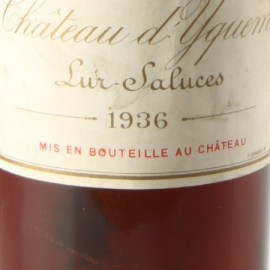
The 1936 vintage in France is a rare and contrasted year. A wet and cold summer limited yields and produced fine but light red wines; a beautiful September, however, allowed the sweet wines to save the vintage. Harvested in early October, the 1936 Sauternes and Barsac represent the most sought-after bottles of the vintage: Château d'Yquem 1936 is the absolute benchmark, while Château Latour 1936 embodies the Médoc's consistency in challenging years. As the birth year of the AOC system, 1936 celebrates its 90th anniversary in 2026: a 90-year anniversary wine as rare as it is moving to offer lovers of old vintages.
Read moreYou can use the search bar or menu to find others, or send us a message.
Back to homepage Contact usSign up and be the first to hear about new arrivals.
The 1936 vintage in France was shaped by difficult weather: a wet, cold summer in most regions, spring frosts in Burgundy, and limited production everywhere. The 1936 reds are fine, light wines with a short aging window, making surviving bottles all the rarer. Two bright spots define the year: a fine September that allowed late harvests of reasonable quality and, above all, the sweet wines of Sauternes and Barsac, harvested in good conditions in early October. As the year that saw the birth of France’s appellations d’origine contrôlée, 1936 also holds strong symbolic value for enthusiasts: its bottles turn 90 in 2026.
In Bordeaux, a wet summer complicated ripening, and a fine September partly rescued the crop, though it meant harvesting late. The 1936 reds are dry, fine, and lightly structured. Most were bottled in 1938 and intended for early drinking, yet surviving bottles can still offer pleasant surprises when storage has been impeccable. The sweet wines tell a different story: harvested around October 2, they benefited from reasonable botrytis and achieved fairly good, if uneven, quality. The best bottles clearly stand above the rest of the vintage.
Château d’Yquem 1936 is naturally the year’s most sought-after wine, followed by Château Climens and Château Suduiraut, two sweet wines whose vibrant style was perfectly suited to this cool year. Among the reds, Château Lafite Rothschild and Château Haut-Brion, along with Latour and Margaux, are names whose extreme rarity in this vintage makes every market appearance exceptional.
In Burgundy, the year got off to a poor start: spring frosts struck newly emerged buds, and the cold, wet summer that followed did nothing to help. The result was a small crop of light, low-concentration wines with limited structure—a vintage historically ranked among the decade’s weakest. Only the greatest terroirs, with the best-exposed grapes, produced wines capable of lasting for decades.
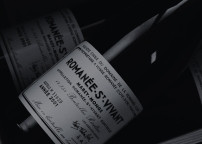
Domaine de la Romanée-Conti and the Armand Rousseau estate—whose first estate bottlings date from precisely this period—are, alongside Leflaive and Bouchard Père & Fils, among the very few producers whose 1936 wines merit collectors’ attention. Surviving bottles can be counted on one hand and are valued more for their developed aromas—forest floor, candied fruit, sweet spices—than for their concentration.