 /




















There are no products here at the moment.
You can use the search bar or menu to find others, or send us a message.
Back to homepage Contact us
Would you like to create the composition yourself? Contact us!
 Contact us
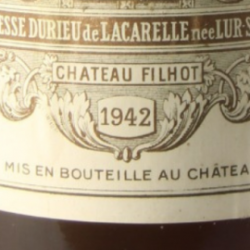
Harvested in occupied France in 1942, this wartime vintage faced reduced yields and scarce labor, yet delivered genuine successes. The sweet wines of Sauternes are its crowning achievement: noble rot (botrytis) developed quickly and evenly, yielding rich, pure wines with impressive longevity. The more austere Bordeaux reds require patience; Burgundy and the Rhône produced refined, fragrant wines, while Champagne yielded rare vintage cuvées built to age. Among the sweet wines, Château d'Yquem remains the year’s benchmark; among the reds, Château Montrose ranks among the vintage’s finest bottles. To see how 1942 compares with the century’s great vintages, consult our Vintage Guide.
You can use the search bar or menu to find others, or send us a message.
Back to homepage Contact usSign up and be the first to hear about new arrivals.
Yes, provided you choose the right style. 1942 was a wartime vintage marked by modest yields and limited resources, but its sweet wines from Sauternes and Barsac rank among the decade’s finest successes. Noble rot developed quickly, producing rich, precise wines built to last. Bordeaux reds are more austere and require patience, while Burgundy, the Rhône, and Champagne produced fine, elegant wines. In Barsac, Château Coutet illustrates the remarkable longevity of the year’s sweet wines.
Yes, if it comes from one of the best terroirs and has been carefully stored. Sweet wines from Sauternes and Barsac are at their peak and can still age for many years; the great Left Bank reds, now mature, offer tertiary aromas of cedar, tobacco and candied fruit. As with any very old vintage, the fill level and provenance matter more than the name, and variation from bottle to bottle is normal. The best examples among the classified growths of Bordeaux, if perfectly preserved, remain the safest choices.
Yes: a 1942 bottle combines rarity with genuine staying power, two valuable qualities for marking a birth year or wedding anniversary. The great sweet wines are now moving through their eighth decade in fine form, and the best reds retain their character. Wines from this wartime vintage are scarcer than those from sunnier years, making each bottle all the more distinctive. We consistently prioritize impeccable fill levels and provenance to help ensure a tasting worthy of the occasion.
The 1942 vintage belongs to the war years, when the vines continued their cycle despite shortages and occupation. The results are mixed, but far from insignificant. A decent summer followed by a rainy September shaped Bordeaux reds that are firm and somewhat austere, while the sweet-wine vineyards benefited from ideal conditions for botrytis. This is where 1942 truly shines: the year was a success in Sauternes and Barsac, complemented by Burgundy and Rhône wines of great finesse and Champagne built to age.
This is the heart of the vintage. After mid-September rains set noble rot in motion, a long dry spell allowed even botrytis development and a concentrated harvest completed in just two selective passes — a rare luxury in these appellations. The resulting wines were rich, pure, and precise, with the acidity needed for longevity. Nearly eighty years later, the best bottles retain surprising freshness, with notes of candied apricot, honey, and dried fruit.
Château d'Yquem remains the benchmark for the year, closely followed by the classified growths of the Sauternes appellation. Château de Rayne Vigneau produced a full-bodied, distinguished sweet wine, alongside successes from Rieussec and Suduiraut; in Barsac, Coutet and Climens confirm the finesse of their style. These wines offer a reliable, approachable introduction to very old sweet wines, with the consistency of 1942 reassuring enthusiasts.
Aging potential: at their peak and capable of aging for many more years; check the fill level and color before buying. A reliable choice among old sweet wines.
On the Left Bank, 1942 produced low-yield reds with good structure, though marked by firm tannins and a certain austerity in their youth. Initially hard, the best have softened over the decades and now show a classic, floral, mellow character true to the spirit of prewar Médoc. This is a style for connoisseurs, best chosen bottle by bottle rather than by name alone.
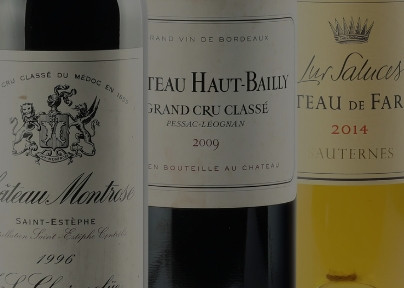
Saint-Estèphe reaches one of its high points here with Montrose, one of the vintage’s most complete reds. In Pauillac, Château Lafite Rothschild and, in Margaux, Château Margaux produced wines that remain delicious despite their great age, while Château Léoville Las Cases and Grand-Puy-Lacoste demonstrate the consistency of the great growths of Saint-Julien and Pauillac in a challenging year.
Aging potential: the best Left Bank crus are mature and should be decanted carefully; favor bottles with impeccable provenance and fill levels.
In Burgundy, 1942 was a solid year, producing reds that were refined and light rather than powerful. Without the depth of the very greatest Burgundy vintages, the best bottles charm with their delicacy, fragrance, and enduring elegance. In a year like this, the producer’s skill makes all the difference, and only the best-tended terroirs have stood the test of time with distinction.
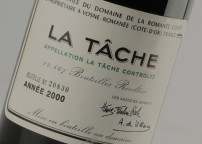
Domaine de la Romanée-Conti is among the leading names of the year, with its Richebourg, Romanée-Conti, and La Tâche cited as the peaks of the vintage in the Côte de Nuits. In Morey-Saint-Denis, Clos de Tart also produced a remarkable wine built to age. To compare the year’s terroirs, the most renowned Burgundy crus remain the most reliable benchmarks.
Aging potential: stick to the most reliable producers; open for the finesse of an old bottle rather than for power.
In the Rhône Valley, winemakers overcame a winter freeze and severe summer drought to produce surprisingly successful wines. The north, with its granite slopes that favor longevity, yielded refined, spicy, flavorful reds that age gracefully. The year remains overshadowed by the great Rhône vintages around it, but its best bottles deserve the attention of lovers of aged Syrah.
The Northern Rhône’s tradition of wines built to age, centered on Hermitage and Côte-Rôtie, lives on through houses such as Paul Jaboulet Aîné and Chapoutier, custodians of a Syrah style made for long aging. The rare bottles from the year still in circulation offer evolved notes of dark fruit, leather, and spice, best suited to palates curious about very old Syrah.
Aging potential: reserve for bottles with well-documented histories; extended decanting helps old Syrah open up.
Champagne produced a genuinely strong vintage in 1942, sound and ripe, which several major houses chose to declare despite the circumstances. Few vintage cuvées were ultimately made, making bottles from the year particularly sought after. Now fully evolved, they combine candied citrus, dried fruit, honey, and toast, with bubbles that have mellowed but are still present.
These wines are now collector’s items. Among the great houses known for age-worthy Champagne, such as Krug, whose 1942 vintage ranks among the year’s finest alongside Salon, only bottles with impeccably documented storage histories should be opened, as uncertainty grows with each passing decade.
Aging potential: collector’s bottles above all; open only bottles with impeccably documented storage histories.
A bottle from 1942 tells the story of an extraordinary year, when the vines gave their best despite the war. Look first to the sweet wines of Sauternes and Barsac, the vintage’s crowning achievement, then to the classic great reds of the Left Bank, the finesse of Burgundy and the Rhône, and the rare Champagnes made for aging. Every bottle we offer is expertly assessed and checked — fill level, label, and provenance — before shipping. To compare vintages and refine your choice, consult the SoDivin Vintage Guide.