 /
/ 




















Receive our latest arrivals of Margaux Appellation directly in your inbox!
Sign up and be the first to hear about new arrivals.

Would you like to create the composition yourself? Contact us!
 Contact us


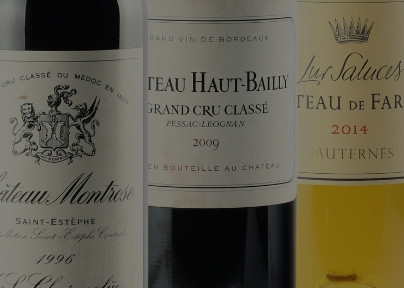
A communal appellation of the Médoc linked to the wines of Bordeaux, Margaux spreads its vineyard across gravel ridges that yield fine and fragrant reds, dominated by cabernet sauvignon complemented by merlot, cabernet franc and petit verdot. It brings together the highest concentration of classified growths from the 1855 classification, centered on the château that gave it its name. Among its signatures, Château d'Issan 1990 and Château Rauzan-Ségla 1978 convey the silky texture of the appellation, while Château Lascombes 1988 reveals its tannic depth. The great years, from the 1982 wine to the 2010 vintage, confirm an aging potential that stands among the benchmarks for left bank enthusiasts.
Read moreFilter
Products (87)
Sign up and be the first to hear about new arrivals.
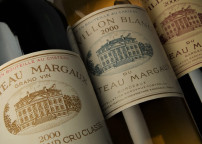
The Margaux appellation is renowned for having the highest number of Grands Crus Classés from the 1855 classification, with 21 classified properties. It is also the only appellation to bear the name of a Premier Grand Cru Classé, the legendary Château Margaux. This exceptional concentration of prestigious estates contributes to its international reputation and its status as a benchmark among the great wines of Bordeaux.
The Margaux terroir consists of deep gravel ridges, composed of gravels and pebbles mixed with more or less clayey sands. These well-draining soils promote deep root penetration and slow ripening of the grapes. The temperate oceanic climate, influenced by the Gironde estuary, protects the vineyard from climatic extremes and contributes to the consistent quality of the vintages.
Among the iconic properties are Château Margaux, Château Palmer, Château Brane-Cantenac, Château Rauzan-Ségla, Château Lascombes, Château Giscours and Château Cantenac Brown. These estates contribute to the worldwide reputation of the appellation and produce wines sought after by enthusiasts and collectors.


