





Margaux appellation wine

Margaux Appellation

Create an alert

A communal appellation of the Médoc linked to the wines of Bordeaux, Margaux spreads its vineyard across gravel ridges that yield fine and fragrant reds, dominated by cabernet sauvignon complemented by merlot, cabernet franc and petit verdot. It brings together the highest concentration of classified growths from the 1855 classification, centered on the château that gave it its name. Among its signatures, Château d'Issan 1990 and Château Rauzan-Ségla 1978 convey the silky texture of the appellation, while Château Lascombes 1988 reveals its tannic depth. The great years, from the 1982 wine to the 2010 vintage, confirm an aging potential that stands among the benchmarks for left bank enthusiasts.

  Read more
Read more
Create an alert

Filter

Products (87)

Filter

Receive our latest arrivals of Margaux Appellation directly in your inbox!

Sign up and be the first to hear about new arrivals.

The FAQ

Why is the Margaux appellation so prestigious?

The Margaux appellation is renowned for having the highest number of Grands Crus Classés from the 1855 classification, with 21 classified properties. It is also the only appellation to bear the name of a Premier Grand Cru Classé, the legendary Château Margaux. This exceptional concentration of prestigious estates contributes to its international reputation and its status as a benchmark among the great wines of Bordeaux.

What are the characteristics of the Margaux terroir?

The Margaux terroir consists of deep gravel ridges, composed of gravels and pebbles mixed with more or less clayey sands. These well-draining soils promote deep root penetration and slow ripening of the grapes. The temperate oceanic climate, influenced by the Gironde estuary, protects the vineyard from climatic extremes and contributes to the consistent quality of the vintages.

What are the great châteaux of the Margaux appellation?

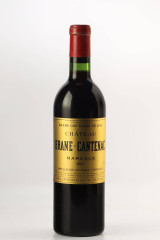
Among the iconic properties are Château Margaux, Château Palmer, Château Brane-Cantenac, Château Rauzan-Ségla, Château Lascombes, Château Giscours and Château Cantenac Brown. These estates contribute to the worldwide reputation of the appellation and produce wines sought after by enthusiasts and collectors.

Birth and history of the Margaux appellation

At the heart of the Médoc, on the left bank of the Gironde estuary, Margaux ranks among the oldest and most recognized names in the Bordeaux vineyard. While the vine has been cultivated there for a long time, it was above all from the 17th century onwards that the viticultural landscape took its current form: engineers from the Netherlands drained the marshes of the Médoc and uncovered the gravel ridges on which the finest parcels would be planted. This mastery of water revealed terroirs that had previously been unexploitable and opened the way to the great growths.

The fame of Margaux crystallized in 1855, when the classification of the wines of the Gironde, established for the Paris Universal Exhibition, distinguished its most renowned estates. The appellation d'origine contrôlée was officially recognized by the decree of August 10, 1954. It now brings together the communes of Arsac, Labarde, Margaux-Cantenac and Soussans, gathered around the village of Margaux that gives its name to the whole.

Gravel terroir and climate of Margaux: why these soils matter

The word "graves" refers to soils made up of gravel, pebbles and sand, inherited from deposits carried by the Garonne over millennia. In Margaux, these gravels are arranged into croupes — gentle mounds that stand out in the landscape. Their value is twofold: being highly well-draining, they quickly evacuate rainwater and force the vine to sink its roots deep in search of nutrients, which concentrates the grapes. By storing the day's heat, these poor soils also promote regular ripening, often slightly earlier than elsewhere in the Médoc.

The oceanic and temperate climate completes the picture. The proximity of the Gironde estuary softens temperatures, limits the risk of spring frosts and moderates summer heat excesses. This combination of well-draining gravel soils and a mild climate explains the signature of the appellation's wines: finesse and freshness rather than raw power. To explore the sectors and the history of the vineyard in greater detail, our blog article dedicated to the Margaux appellation extends this reading.

Grape varieties and wine profile of Margaux

Margaux produces only red wines. The blend is based primarily on cabernet sauvignon, a late-ripening and structuring grape variety that provides the tannic backbone and aging potential. Merlot, more supple, rounds out the blend and gives it body; cabernet franc adds aromatic finesse; petit verdot, used in small doses like "a pinch of salt," reinforces the color and adds spicy notes. Other grape varieties once cultivated, such as malbec and carmenère, have gradually disappeared from the blends.

In the glass, a Margaux is recognizable by its elegance. Young wines offer aromas of red and black fruits — blackcurrant, raspberry, cherry — often lifted by a floral note of violet that is part of the appellation's identity. With time, nuances of cedar, spices, undergrowth and tobacco emerge. On the palate, the texture is silky and the tannins are fine, with a balance that favors precision. These wines pair readily with roasted red meat, lamb, game birds or a truffle dish, and also complement aged cheeses.

Classified growths and hierarchy of Margaux in the 1855 classification

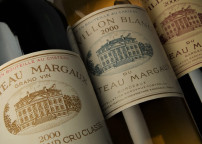
The hierarchy of Margaux is read above all through the 1855 classification, which has remained virtually unchanged since its creation. The appellation holds a record within it: it brings together twenty-one classified growths, more than any other commune in the Médoc. Among these are one premier grand cru classé, five second growths, ten third growths, three fourth growths and two fifth growths. Uniquely within the classification, this premier grand cru bears the same name as the appellation itself.

Alongside these classified growths, Margaux also harbors estates recognized under the cru bourgeois and cru artisan designations, as well as numerous unclassified domaines that contribute fully to its diversity. This pyramid, from the premier cru to the more accessible estate wine, allows the appellation to be discovered at several levels while finding, from one wine to the next, the common thread of a shared gravel terroir.

Aging potential and great vintages of Margaux

The finesse of Margaux wines should not overshadow their aging potential. The classified growths of great years often require around ten years of cellaring to open up and can evolve favorably over twenty to forty years, while wines from more modest estates or more supple vintages are best enjoyed earlier, for their fruit. The potential depends greatly on the year: a sunny and well-structured vintage will age longer than a lighter one.

The appellation enjoys longstanding international recognition, and several of its vintages rank among the benchmarks of the left bank. To place each year and its style in context, our vintage guide provides useful reference points; among the reliable values, a 2005 red wine illustrates well the balance between concentration and freshness sought by Margaux enthusiasts.

Iconic châteaux and estates of Margaux

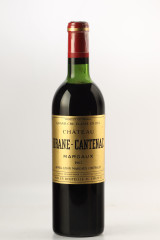
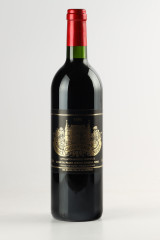
The identity of Margaux is built estate by estate. At the summit, Château Margaux, premier grand cru classé, embodies the excellence and consistency of the appellation, alongside Château Palmer, whose reputation rivals that of the greatest. Around them gravitates a constellation of classified growths, each expressing a nuance of the Margaux terroir: Château Brane-Cantenac and Château Giscours, appreciated for their consistency, Château Cantenac Brown with its assertive structure, and Château Prieuré-Lichine.

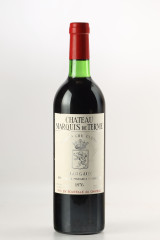
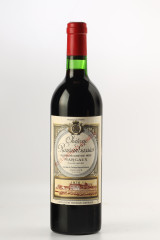
The fifth growths, such as Château du Tertre and Château Dauzac, complete this panorama, alongside other renowned estates such as Rauzan-Gassies, Marquis de Terme and Kirwan, which extend the diversity of the appellation. Together, these châteaux make Margaux one of the most accomplished expressions of Bordeaux elegance, where each vintage reflects the distinctive finesse of this gravel terroir.

Read more