/



























Receive our latest arrivals of 1994 Wine directly in your inbox!
Sign up and be the first to hear about new arrivals.

Would you like to create the composition yourself? Contact us!
 Contact us

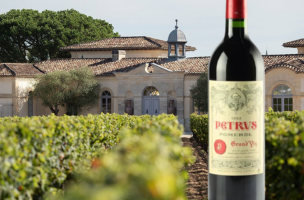
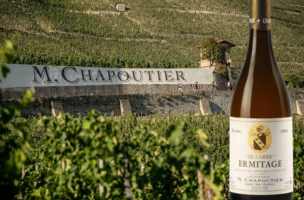
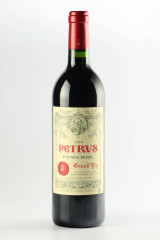
After three difficult vintages, 1994 initially promised everything: a hot, dry summer raised hopes for a great year. Then rain settled over Bordeaux in early September, diluting the Médoc’s late-ripening Cabernets. Estates that had already harvested their Merlots fared best, and Pomerol, harvested first, produced the most complete wines of the Right Bank. The northern Rhône delivered the year’s other success, with impressively concentrated Hermitage and Côte-Rôtie wines, whites included. Across the regions, 1994 rewards careful sorting and rigor rather than volume. Pétrus 1994 and Chapoutier Ermitage De l’Orée Blanc 1994 represent these two centers of quality. To see how 1994 compares with neighboring years, consult our Vintage Guide.
Filter
Products (19)
Sign up and be the first to hear about new arrivals.
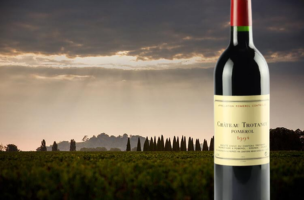
Yes, provided you focus on the right areas. September rain caught the late-ripening Cabernets of the Médoc, which often retain a hint of greenness, while Pomerol, which harvested its ripe Merlot first, produced the most accomplished wines of the Right Bank. Pessac-Léognan also stood out for both reds and dry whites. The best bottles come from estates that sorted rigorously to avoid dilution; Château Trotanoy exemplifies this dense, well-rounded Pomerol success. So it is a genuinely good Bordeaux vintage, but one that calls for careful selection.
For 1994, the rule is to follow where the vintage succeeded: Pomerol and Pessac-Léognan in Bordeaux, then the Northern Rhône, where Hermitage and Côte-Rôtie — including the whites — are the standouts. The Bordeaux classified growths offer the clearest picture of the vintage on the Left Bank, provided you focus on the terroirs that held up well. The Right Bank reds have entered their prime drinking window, while the best Northern Rhône Syrahs can still be cellared. To compare 1994 with nearby vintages, consult our Vintage Guide.
It’s a reliable choice: the best 1994 wines are now mature while still retaining their structure. A Right Bank Pomerol, a great Northern Rhône Hermitage or a rare wine from Provence each offers a different character to suit the occasion. For a birth-year gift, it’s best to choose a recognized appellation and a bottle whose condition has been checked. Every bottle is inspected before shipping, so you can give an authentic taste of the year with confidence. Same-day shipping for orders placed before 2 p.m. helps you plan for a specific date.
1994 was the year that nearly brought a return to great vintages after three difficult harvests. A hot, dry summer had set the stage for excellent ripeness before rain arrived in early September, changing the picture according to harvest date. In Bordeaux, Pomerol’s early-ripening Merlots came out ahead, while the Médoc’s later-ripening Cabernets had to contend with dilution. In the Rhône, the north clearly outperformed the south and produced the year’s finest wines. Burgundy, hit by the same rains, yielded lighter reds to drink without delay, while Champagne struggled to achieve ripeness. It is therefore a vintage to assess terroir by terroir, with the best wines concentrated in a few specific areas.
After a promising summer, rain set in during early September and diluted the Cabernets still on the vine in the Médoc, often leaving a slightly green finish in wines from this year. Pomerol, harvested first thanks to its early-ripening Merlots, escaped most of the rain and produced the most complete wines of the Right Bank. Pessac-Léognan maintained its consistency, with ripe reds and very good dry whites. On the Left Bank, success must be judged estate by estate: properties that sorted rigorously preserved concentration, while the others suffered dilution.
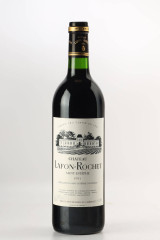
The year’s standouts follow this divide. In Pomerol, Pétrus, Trotanoy, Lafleur and Vieux Château Certan rank among the finest, while Château Certan de May expresses the density of the appellation’s Merlots and Château Nenin offers a more accessible introduction to the Right Bank. In the Médoc, success is more selective: in Saint-Estèphe, Château Lafon Rochet shows what a classified growth could achieve with a well-timed harvest that year, offering a classic, fresh tannic structure.
Aging potential: Right Bank and Pessac-Léognan wines are in a fine drinking window; open them now. For Médoc wines, check the fill level and favor crus that were rigorously sorted.
The northern Rhône is where 1994 reached its full potential. Spared the rains that troubled Bordeaux at the same time, the north brought its Syrahs to good ripeness and produced dense, spicy Hermitage and Côte-Rôtie wines with tightly knit structure. The year’s whites are a revelation here: the great white Hermitages, driven by Marsanne, rank among the vintage’s finest wines. The more uneven south suffered more from the rain, although the best Châteauneuf-du-Pape wines remain full and generous.
The Jean-Louis Chave estate produces a white Hermitage of rare depth, a benchmark for the appellation in this vintage, while Domaine Jamet captures the finesse and tension of the great northern Syrahs in its Côte-Rôtie. At Chapoutier, the white Ermitage De l’Orée and the Châteauneuf-du-Pape Barbe Rac extend this success from the north’s granite slopes to the south’s galets; Guigal, in Côte-Rôtie, rounds out the year’s dependable choices.
Aging potential: the great northern whites and best Syrahs can still age; open southern Châteauneuf-du-Pape wines before too long.
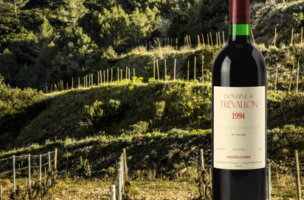
Provence contributes one of 1994’s most sought-after curiosities. At the foot of the Alpilles, Domaine de Trévallon makes a red from equal parts Cabernet Sauvignon and Syrah, an unusual blend that placed it outside the appellation and earned it cult status. In this vintage, it offers ripe, spicy yet fresh fruit, built to age, as is often the case at this estate. It is an accessible, reliable choice for anyone looking beyond Bordeaux without giving up the structure of a great age-worthy wine.
Aging potential: a wine that remains youthful for its age; decant it or, if the bottle has been well stored, cellar it for a few more years.
In Champagne, 1994 ended with a difficult season and poor ripeness, leading most houses not to declare a vintage. The year therefore has a low profile, represented by a few carefully made prestige cuvées from the best plots. They are now at full maturity, showing a more vinous character rather than pronounced tension.
Perrier-Jouët’s Belle Epoque cuvée is one of these exceptional bottles, worth saving for a special occasion but ready to open now.
Aging potential: prestige cuvées are mature and ready to serve now, provided the bottles have been impeccably stored.
Choosing a 1994 wine means focusing first on Pomerol and Pessac-Léognan in Bordeaux, then on the great wines of the northern Rhône—including white Hermitage and Côte-Rôtie—which have entered a fine drinking window, without overlooking Trévallon’s distinctive Provençal character. With a vintage more than thirty years old, the bottle’s condition matters as much as its label: check the fill level, color and cork before buying. Every bottle is assessed by experts, checked and stored in optimal conditions, then shipped the same day for orders placed before 2 p.m. To compare 1994 with neighboring vintages and find the right bottle, consult the SoDivin Vintage Guide.