/


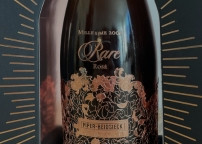























Receive our latest arrivals of 2014 Wine directly in your inbox!
Sign up and be the first to hear about new arrivals.

Would you like to create the composition yourself? Contact us!
 Contact us

The 2014 vintage owes almost everything to its late-season weather: after a cool, wet summer, a long Indian summer ripened the grapes well into fall and saved the year. Cabernet Sauvignon, a late-ripening variety, benefited most: the Médoc’s Left Bank produced focused, distinguished reds with classic freshness, while the great whites — dry Bordeaux whites, Burgundy Chardonnays and Loire Chenins — achieved remarkable tension. Sauternes sweet wines, less opulent than usual, charm with their balance. For the best choices, favor the northern Médoc and age-worthy whites, such as a Château Ducru-Beaucaillou from Saint-Julien or a great white from Domaine Coche-Dury. The Vintage Guide puts 2014 in context alongside other years.
Filter
Products (20)
Sign up and be the first to hear about new arrivals.
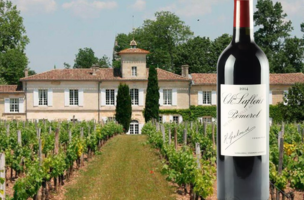
Two styles stand out in this vintage. First are the red wines of the Left Bank’s Médoc, where Cabernet Sauvignon ripened slowly: they offer freshness, fine tannins and a classic profile, ideal for the table or the cellar. Then there are the great white wines, notably crisp this year, from Bordeaux to Burgundy and the Loire. On the Right Bank, the best wines come from well-drained sites in Pomerol, such as Château Lafleur. For a reliable purchase, choose a recognized wine built to age rather than a bottle at random.
In 2014, the Left Bank has a clear edge. The warm fall favored Cabernet Sauvignon, a late-ripening grape that dominates the Médoc, while the earlier-ripening Merlot of the Right Bank benefited less from the return of good weather. The northern Médoc — Saint-Estèphe, Pauillac and Saint-Julien — produced the standout wines, particularly among the Bordeaux Classified Growths. The Right Bank has its successes too: Pomerol and the best-drained sites in Saint-Émilion, aided by Cabernet Franc, produced excellent wines. The rule of thumb is simple: choose the Médoc for consistency and assess Right Bank wines case by case.
Yes. A great 2014 wine is a reliable gift for marking a special date: its fresh, balanced style has broad appeal, and the best wines age well. It’s a natural choice when you want to give a bottle from someone’s birth year, wedding year or the year you met. Médoc reds and sweet wines from the Sauternes area age particularly well and can be enjoyed by the recipient for years to come. For a dependable sign of quality, choose a classified growth over an entry-level wine.
After a difficult start, 2014 was saved by an Indian summer that changed everything. The result is a vintage of freshness and balance, less powerful than the sun-drenched years around it but classic in character. For buyers, the priorities are clear: the Médoc’s Left Bank and great whites first, followed by balanced sweet wines from Sauternes and the finest Right Bank wines. Here is where to find the standouts, region by region.
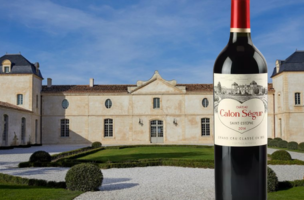
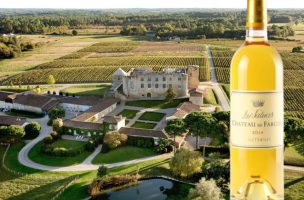
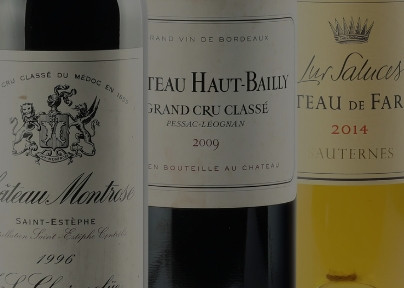
In Saint-Estèphe, Château Calon Ségur embodies this classic, concentrated profile, while Ducru-Beaucaillou showcases the style of Saint-Julien. On the Right Bank, Vieux Château Certan and Château Lafleur have produced two outstanding Pomerols, while Château Canon and La Mondotte fly the flag for Saint-Émilion. In Sauternes, Château de Fargues exemplifies the 2014 sweet wines, lifted by vibrant acidity and more finely etched than opulent.
Aging potential: the great 2014 Médoc wines are entering a lovely phase and will keep for fifteen to twenty years; check the fill level and label on older bottles, and decant classified growths that are still young.
Burgundy’s whites are its greatest strength in 2014. Hailed as one of Chardonnay’s great recent successes, the 2014 whites offer classic tension and precision without the overripeness of hot years: finely etched wines that are a pleasure to drink, though worth choosing carefully. Côte de Nuits reds, elegant and finely tannic, round out the picture without aiming for power. La Revue du Vin de France counts 2014 among the decade’s fine vintages for whites.
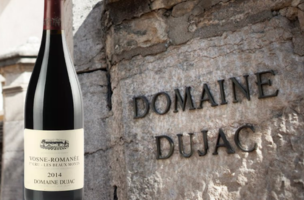
In Meursault, Domaine Coche-Dury epitomizes the brilliance of the year’s whites. For reds, Domaine Dujac expresses the vintage’s finesse from Clos de la Roche to the premiers crus of Gevrey-Chambertin and Vosne-Romanée, while Bouchard Père et Fils offers a Pommard premier cru true to its appellation.
Aging potential: the whites are already enjoyable but should be selected carefully and drunk before too long; Côte de Nuits reds can wait ten years or more.
The Loire is one of the big winners of 2014. Chenin, particularly from Savennières, produced dry whites of rare purity: freshness, tension and minerality come together in wines Decanter ranks among the decade’s finest Chenins. Cabernet Franc reds from around Saumur-Champigny also benefited from the late-season weather, yielding ripe yet well-defined wines. It is a side of this vintage few wine lovers expect, and a genuine source of excellent bottles.
In Savennières, Domaine Nicolas Joly and its Coulée de Serrant, farmed biodynamically, produce a deep, focused Chenin built to age. In Saumur-Champigny, Clos Rougeard and its Les Poyeux cuvée take Loire Cabernet Franc to new heights of finesse.
Aging potential: dry 2014 Chenins have the acidity to age for twenty years; Saumur-Champigny reds can be enjoyed now and over the next decade or so.
Champagne had a mixed year in 2014, rescued by good conditions late in the season. It was not a great vintage declared across the board: it was a year of selection, when only houses that rigorously sorted fruit from their best vineyard plots released a vintage wine. Where the harvest succeeded, it yielded Chardonnays with lovely tension, focused and precise, making a stronger case for terroir-driven cuvées than for generic blends.
The Philipponnat house, based in Mareuil-sur-Aÿ, exemplifies this single-vineyard approach: its Clos des Goisses, a dramatically steep chalk slope, is among the most renowned site-specific Champagnes and draws both concentration and tension from the vintage.
Aging potential: these single-vineyard Champagnes will keep for ten to fifteen years; serve them cool, but not ice-cold, to let their texture shine through.
Southern France offers another reading of the 2014 vintage: warm yet high-altitude terroirs, where schist and limestone lend freshness. The wines are deep and structured, made for aging rather than immediate drinking. This is a style for connoisseurs, one that rewards patience and aeration.
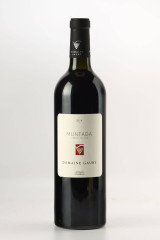
In Calce, in Roussillon, Domaine Gauby tends old vines on schist and, with La Muntada, produces one of the region’s finest wines. In Languedoc, Domaine Peyre Rose, a little-known estate that ages its cuvées for an extended period, and Domaine les Aurelles in Pézenas continue this tradition of characterful wines built to last.
Aging potential: these cuvées call for patience; the most structured open up after several years and have staying power — give them plenty of air in a decanter.
2014 is a vintage for connoisseurs: it rewards careful selection more than buying at random. Look to the Médoc’s Left Bank and great dry whites for reliable choices, and leave the Right Bank and the finest sweet wines to enthusiasts willing to wait. Every bottle in our cellar is inspected by experts and stored in optimal conditions until it is ready to drink. To compare 2014 with other years and refine your selection, consult the Vintage Guide from SoDivin.