 /
/ 























Receive our latest arrivals of 1979 Wine directly in your inbox!
Sign up and be the first to hear about new arrivals.

Would you like to create the composition yourself? Contact us!
 Contact us

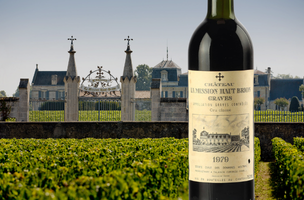
The 1979 vintage brought an exceptionally large harvest—the decade's most abundant in Bordeaux—after a cool, dry summer and slow ripening. The result was classically styled reds defined by freshness and firm tannins rather than power: wines made for the table and the cellar, now at maturity. Selection is the key to this vintage, as quality was uneven. Graves and Pessac-Léognan produced the Left Bank's finest wines, while Pomerol led the Right Bank; the best Médoc estates, with their sturdy structure, have aged remarkably well. Château La Mission Haut-Brion 1979 illustrates the heights reached in Graves, while Château Trotanoy 1979 embodies Pomerol's distinction. To see how 1979 compares with other great vintages, explore our Vintage Guide.
Read moreFilter
Products (25)
Sign up and be the first to hear about new arrivals.
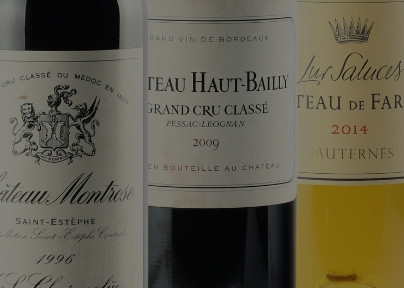
Nearly half a century after the harvest, 1979 wines are fully mature and ready to drink. The finest wines—reds from Graves, Pessac-Léognan and Pomerol, and Médoc crus with a solid structure—have retained an appealing freshness, with beautifully integrated notes of cedar, leather and light tobacco. By contrast, the more diluted wines from this large harvest have lost some of their fruit and should be drunk without delay. Château Haut Bailly is among the Graves wines that have aged best. With bottles this old, the fill level and storage conditions make all the difference between a tired bottle and a truly enjoyable tasting experience.
In 2026, a wine from 1979 is 47 years old. It may not be a milestone birthday, but the gesture is still meaningful and deeply personal. Giving a wine from someone’s birth year means sharing a bottle that has aged alongside them. For a successful gift, two things matter most with older wines: the bottle’s provenance and the fill level in its neck. These are exactly what we check in our selection of birth-year wines, chosen so you can give with confidence. A 1979 grand cru makes a fitting gift for a birthday, a career milestone, or any occasion you want to make memorable.
For 1979, the choice of appellation is crucial. In Bordeaux, prioritize Graves and Pessac-Léognan, which were the most consistent that year, as well as Pomerol on the Right Bank. Among the Bordeaux Classified Growths, the best Pauillac, Saint-Julien, and Margaux wines are well-structured and still offer rewarding drinking. Saint-Émilion calls for more careful selection, while the sweet wines of Sauternes, which fared poorly that year, are best avoided. Beyond Bordeaux, Piedmont produced some fine Barolos built to age—a reliable choice for something different. In short, favor the best-exposed terroirs and wines with firm structure: those that have best rewarded patience.
The 1979 vintage stands out in Bordeaux history for the size of its harvest, the largest of the decade. A cool, dry summer followed by slow ripening produced wines defined by freshness and pronounced acidity, with a classic rather than opulent style. The best are now at their peak, their tannins fully integrated. But quality was uneven: knowing which appellations to seek out is the key to finding outstanding 1979 bottles that have aged beautifully and are ready to drink.
On the Left Bank, 1979 was kindest to Graves and Pessac-Léognan, which produced the year's most complete and consistent wines. Cabernet Sauvignon ripened slowly, yielding Médoc reds with a firm structure, pronounced acidity and firm tannins; the best, with their sturdy build, have aged remarkably well. Success was real but selective: the best-exposed sites in Pauillac, Saint-Julien and Margaux lead the way, while the more diluted wines from this exceptionally large harvest aged faster. The Left Bank must therefore be judged estate by estate, with the quality of the terroir and the care taken in winemaking making all the difference.
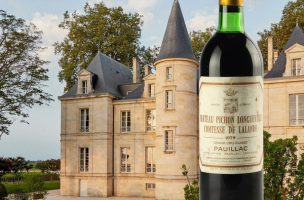
In Graves, Château de Fieuzal 1979 illustrates Pessac-Léognan's consistency, pairing ripe fruit with a carefully defined structure. In the Médoc, Château Latour 1979 offers a mellowed, distinguished expression of Pauillac, while Château Pichon Longueville Comtesse de Lalande 1979 brings finesse and fragrance from the same area. Also in Pauillac, Château Grand Puy Lacoste 1979 evokes the estate's generous classicism, with notes of blackcurrant and cedar. Beyond these examples, well-preserved Médoc classified growths confirm that, on the Left Bank, 1979 was a vintage defined by top-tier terroirs.
On the Right Bank, Pomerol made the most of 1979. Merlot suffered less than Cabernet from the year's cool conditions, producing fleshy, supple wines with the truffled depth characteristic of the appellation, now at their peak. Saint-Émilion was less consistent and calls for greater discernment: wines from the best limestone sites retain finesse and length, while others have lost their luster. Wine lovers are better served by seeking out proven estates than expecting consistent quality across the appellation.
In Pomerol, Château de Sales 1979 offers an approachable, mellow expression of the vintage, with ripe fruit and softened tannins. In Saint-Émilion, Château Soutard 1979 combines the year's freshness with the structure of its terroir in a wine that remains easy to drink. These bottles show that, in 1979, the Right Bank rewards those who choose their estates carefully, especially in Pomerol.
In Burgundy, 1979 brought a mixed growing season, with storms complicating the final stages of ripening and widening the differences between estates. The results vary: alongside lighter wines that are already fading, the best vineyards of the Côte de Nuits produced delicate, fragrant reds that remain a pleasure to drink. It is a Pinot Noir vintage in which the producer matters more than the appellation, and the winemaker's touch matters more than the vintage itself. The more fragile whites should now be sought only in impeccably stored bottles.
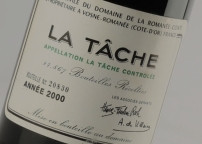
The region's most celebrated names remain the safest bets for this year, including Domaine de la Romanée-Conti, whose rigorous approach produced remarkably poised reds in 1979. With bottles like these, verifying provenance is the first essential precaution.
Beyond Bordeaux, 1979 was a successful year in Piedmont, in northwestern Italy, the birthplace of Barolo. Nicknamed the “king of wines,” Barolo is made from Nebbiolo grapes and is known for aromas of rose, cherry, leather and spice, supported by lively acidity and tannins built to age. The year produced balanced wines, both ripe and fresh; the best, patiently aged in large oak casks, are now showing lovely maturity. For anyone exploring collectible Italian wine, it offers a dependable, approachable introduction that is a pleasure to serve with food.
Piedmont's established great names shone particularly brightly in 1979, notably with the long-aged, single-vineyard wines that have made the region famous. These Italian wines offer a distinguished alternative to the year's Bordeaux, with the extra freshness and fruit characteristic of successful Nebbiolo. An elegant way to broaden a cellar built around older vintages.
With SoDivin, you can choose a 1979 wine with confidence: every older bottle is inspected, its fill level checked and its storage carefully managed before shipping. As a specialist in rare and older vintages, we bring together Bordeaux's finest successes from this year, from Graves to Pomerol, alongside a few ready-to-drink bottles from elsewhere. Whether you want a mature, classic red or a birth-year gift, our Vintage Guide points you toward the most reliable 1979 appellations. Every order confirmed before 2 p.m. ships the same day, in secure packaging and after systematic authentication.