 /
/ 























Receive our latest arrivals of 2010 Vintage wine directly in your inbox!
Sign up and be the first to hear about new arrivals.

Would you like to create the composition yourself? Contact us!
 Contact us

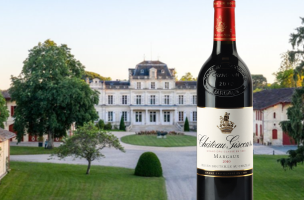
2010 is one of the rare vintages to have reached its peak on both sides of France in the same year. In Bordeaux, a hot and dry summer followed by cool nights produced reds of great precision: ripe fruit, a firm tannic structure and high acidity that promises a very long life. In the Rhône Valley, that same balance between power and freshness shaped deep and refined wines, from north to south. These are the two regions to prioritise above all, with Château Giscours leading the way in Margaux and Clos des Papes for Châteauneuf-du-Pape; Burgundy and the southern terroirs round out a selection entirely oriented toward wines for ageing. To place 2010 among the other great vintages, refer to our Vintage Guide.
Read moreFilter
Products (36)
Sign up and be the first to hear about new arrivals.
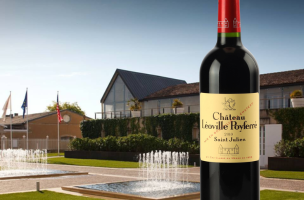
Yes, without reservation. 2010 ranks among the greatest recent years, a success on both banks of Bordeaux as well as throughout the Rhône valley. The reds combine ripe fruit, a firm tannic structure, and high acidity: it is this trio that accounts for their exceptional ageing potential. The flip side of this power is that the wines are often closed in their youth and benefit from decanting or from being waited out, as with a Château Léoville Poyferré. This is a vintage for patience, better suited to the cellar than to immediate opening.
The Médoc leads the way: the concentration and tannic firmness of the year are expressed to their fullest in the classified growths of Bordeaux, particularly in Pauillac, Saint-Julien, and Saint-Estèphe. The slight edge of 2010 goes to the left bank, driven by a generally higher proportion of Cabernet Sauvignon; Saint-Émilion and Pomerol nonetheless achieve very fine results on their clay-limestone soils. The dry whites of Pessac-Léognan round out the picture with remarkable freshness. When buying, look first to the structured appellations of the Médoc if you are seeking the longest ageing potential.
A great 2010 wine is the ideal companion for a special occasion: a wedding anniversary, a promotion, a birth, or the year two people met. Since these bottles retain a long ageing potential, they can be enjoyed today after decanting or left to rest for several more years. To give a bottle tied to a birth year, choose the vintage that matches the date to be celebrated. A wine built for ageing like a 2010 combines the pleasure of tasting with the value of a memory that stands the test of time.
Few years succeed with both great Bordeaux and great Rhône wines. 2010 is one of them: the same combination of ripeness and freshness produced, in the west, firm and precise Bordeaux reds, and in the south-east, deep and refined Rhône wines. Here, region by region, is what the vintage is worth and where to start depending on your goal — near-term drinking or building a cellar.
A hot and dry summer, tempered by cool nights, concentrated small and healthy berries. The result is reds with a dense colour, ripe fruit and a tight tannic structure, supported by a high acidity that guarantees long ageing. The profile is more classic and firmer than 2009: the wines are often closed in their youth and demand patience. The balance tilts slightly in favour of the Left Bank, where the proportion of Cabernet Sauvignon brings structure and length, but the best clay-limestone terroirs of the Right Bank are not far behind.
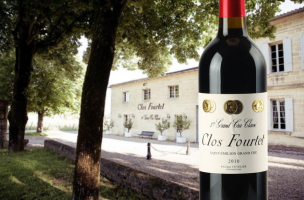
In the Médoc, the firmness of the year is illustrated in Saint-Estèphe with Château Lafon Rochet, with its upright and refined style. On the Right Bank, Saint-Émilion lines up superb successes: Château Larcis Ducasse on the limestone slopes, the finesse of Château Canon La Gaffelière and the precision of Clos Fourtet on the plateau. The dry whites of Pessac-Léognan, carried by the coolness of the nights, extend the success of the year in the Gironde.
Ageing potential: still young, the 2010 Bordeaux demand patience — decant for a long time if drinking now, or set aside for a few more years for collectors' pieces.
After a cold and wet winter, a long and regular summer with cool nights delivered one of the greatest recent vintages of the Rhône, in both red and white. In the north, the Syrah from Côte-Rôtie, Cornas and Saint-Joseph combines deep richness with a fresh finish that ensures ageing potential. In the south, coulure reduced Grenache yields at Châteauneuf-du-Pape, but the long ripening periods yielded concentrated yet balanced wines, with whites of outstanding quality. A notable highlight of the year: the Côte-Rôtie trio from Maison Guigal received three perfect scores in the Wine Advocate.
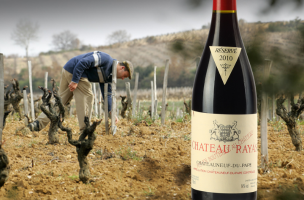
The southern Rhône expresses itself at the highest level with Château Rayas and the aged Grenache of Domaine Henri Bonneau, historic figures of Châteauneuf-du-Pape. In the north, the mineral Syrah of Domaine Auguste Clape embodies the rigour of Cornas, while the Côte-Rôtie wines of Jamet and Ogier confirm the depth of the northern sector in this vintage.
Ageing potential: more approachable than the Bordeaux of the same age, the 2010 Rhône wines can already be enjoyed after aeration; the great cuvées from both north and south will keep well for another good decade.
A difficult flowering reduced volumes, which worked in favour of quality: the grapes ripened slowly while retaining a beautiful acidity. The reds rest on a balanced triangle of fruit, tannin and acidity, with a dominance of red fruits (cherry, raspberry) and very few vegetal notes. Fresher and more classic than the 2009s, they offer serious ageing potential. The whites, marked by discreet touches of botrytis (the "noble rot"), display a slightly more exotic style; provenance and storage are worth verifying.
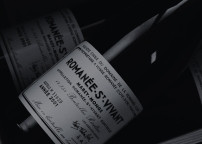
For this vintage, the Burgundy selection is tighter and focuses on a few rare bottles, notably in Vosne-Romanée, the beating heart of the Côte de Nuits, where the elegance and tension of the year are fully expressed.
Ageing potential: the classic reds are opening their drinking window at village level, while premiers and grands crus benefit from further waiting; for the whites, a reliable provenance is advisable.
In the South, 2010 produced rich and powerful wines, yet held together by an acidity that gives them freshness and length. It is a fine year for the high-altitude terroirs of the Languedoc and for wines intended for ageing, where solar ripeness never tips into heaviness.
Les Terrasses du Larzac finds a fully realised expression at Mas Jullien, the benchmark of the appellation, while the Domaine de la Grange des Pères, in the Hérault, and a white from Domaine de Trévallon, in Provence, round out the southern offering of the year with sought-after artisan wines.
Ageing potential: already pleasant to drink, the best wines from the South in 2010 can be kept serenely for several more years; open alongside generous, hearty cuisine.
To build a cellar around 2010, two priorities stand out: Left Bank Bordeaux, for their structure and very long ageing potential, and the great wines of the Rhône, both north and south, for their immediate depth. The former demand patience or a long decant; the latter can be appreciated earlier. Burgundy and the southern terroirs enrich the selection with rarer bottles. To compare 2010 with other great vintages and refine your choice, consult our Vintage Guide.