 /
/ 
































Receive our latest arrivals of 1999 Wine directly in your inbox!
Sign up and be the first to hear about new arrivals.

Would you like to create the composition yourself? Contact us!
 Contact us

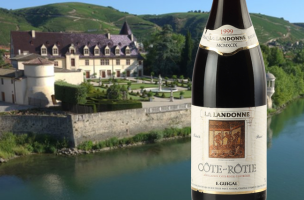
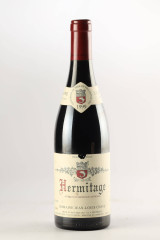
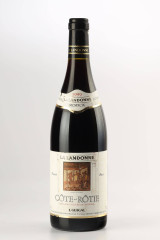
The 1999 vintage closes the decade with a clear divide: the northern Rhône and Burgundy produced some of the finest reds of the century’s end, while Bordeaux faced a more uneven harvest. In the northern Rhône Valley, a dry September wind concentrated the grapes and lifted Côte-Rôtie, Hermitage and Cornas to a level that veteran winemakers compare with the legendary 1947. In Burgundy, slow ripening and a harvest that was both generous and healthy yielded reds of rare harmony. Guigal La Landonne 1999 and Jean-Louis Chave 1999 rank among the year’s highlights. The sweet wines of Sauternes also succeeded, and the best Left Bank Bordeaux wines are now open and ready to drink. To see how 1999 compares with other great years, consult our Vintage Guide.
Read moreFilter
Products (30)
Sign up and be the first to hear about new arrivals.
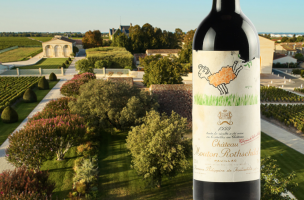
It depends on the region. The Northern Rhône and red Burgundy produced some of the decade’s finest wines: the Syrahs of Côte-Rôtie, Hermitage and Cornas benefited from September winds that concentrated the grapes, while Burgundy reds combine depth and freshness. In Bordeaux, results were more mixed, with a hailstorm and rain during the harvest; the Left Bank fared better than the Right Bank. The sweet wines of Sauternes also did well, thanks to botrytis—the noble rot that concentrates the grapes’ sugars. A wine such as Château Mouton Rothschild shows how consistently Pauillac’s great terroirs performed in this vintage.
Yes, it’s a reliable choice: the best 1999 wines are now mature. A great Syrah from the Northern Rhône, a red Burgundy or a Left Bank Bordeaux each offers a different style to suit the occasion. Whether you’re marking a birth, a wedding or another event from 1999, the vintage offers a wide range of styles. Explore the dedicated selection in our birth-year wines. Same-day shipping for orders placed before 2 p.m. lets you arrange delivery for the date you want.
For 1999, the key is to focus on the regions that excelled. For cellaring, look to the Northern Rhône: the best Côte-Rôtie and Hermitage wines still have many good years ahead. For drinking now, great red Burgundies are entering their drinking window, as are Left Bank Bordeaux wines, particularly the Bordeaux Classified Growths, which offer the clearest picture of the vintage. Sweet wines and the best Champagnes round out the selection and are now fully mature.
1999 is a vintage of contrasts, with its finest bottles found outside Bordeaux, where attention usually centers. The year’s high points are in the northern Rhône Valley and Burgundy, two regions that end the 1990s on a high note. Bordeaux delivers a more uneven year, redeemed by the Left Bank and some fine sweet wines. Champagne, the Loire and Alsace round out the picture with a few notable successes. This is a vintage to assess terroir by terroir, rewarding careful selection rather than buying at random.
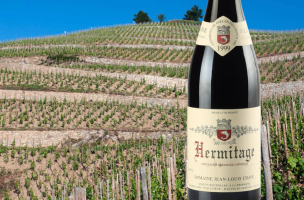
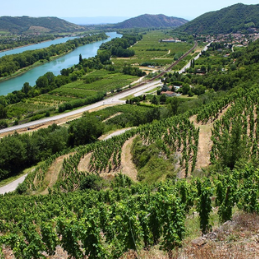
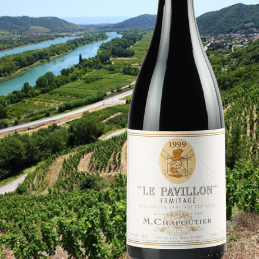
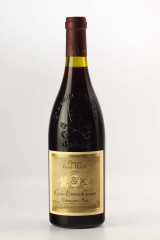
The northern Rhône is where 1999 truly comes into its own. A hot, dry summer followed by a northerly wind in September concentrated the grapes and brought Syrah to full ripeness without heaviness. Côte-Rôtie leads the year’s quality rankings, with deep, spicy wines built on a fine tannic structure; Hermitage and Cornas follow closely, combining power and freshness. The most experienced winemakers compare these Côte-Rôties to the legendary 1947. In the south, the year is good but a notch below the north, with fine Châteauneuf-du-Pape wines ready to drink now.
Northern Rhône estates produced the vintage’s finest wines. In Côte-Rôtie, Domaine Jamet produced a wine of great purity, while René Rostaing crafted an elegant, distinctive red on the Côte Blonde. In Cornas, Auguste Clape offers one of the appellation’s most complete expressions, dense and deep. In Hermitage, the great cuvées pair fleshy fruit with a structure built for long aging. Choose wines from estates that harvested before the rains and kept yields under control.
Aging potential: Côte-Rôtie and Hermitage from the best estates are still vibrant and capable of further aging; decant the most structured cuvées.
Burgundy ends the decade in style, especially for reds. The abundant harvest came with slow ripening and healthy grapes, a balance the region had not seen in decades. Pinot Noirs from the Côte de Nuits in particular yielded full-bodied, deep wines with lovely freshness, now recognized among the great red Burgundies of the century’s end. The whites are consistently good but softer in style. This is above all a red-wine vintage, best explored through terroirs that retained their vibrancy.
At the top of the hierarchy, the Côte de Nuits grands crus stand apart. Domaine de la Romanée-Conti produces reds of remarkable purity here, while Domaine Armand Rousseau remains a benchmark for the great terroirs of Gevrey-Chambertin. The best vineyard sites, their wines patiently aged, have entered their drinking window. This is a Burgundy vintage to choose estate by estate, favoring well-preserved bottles.
Aging potential: great Côte de Nuits reds are in their drinking window; choose well-preserved bottles. The most structured wines can age further.
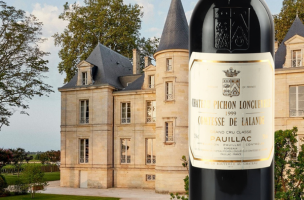
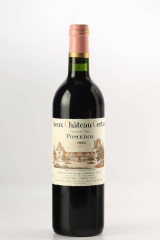
Bordeaux’s 1999 vintage calls for careful selection. An early spring, followed by a hailstorm in part of Saint-Émilion in early September and rain during harvest, made the year uneven and increased yields. The Left Bank, less affected by the weather, fared more consistently: the Médoc and Graves benefited from well-drained soils and Cabernet grapes picked after conditions improved. The reds are supple, aromatic and of moderate aging potential, enjoyable today. The botrytis-influenced sweet wines of Sauternes are among the year’s pleasant surprises.
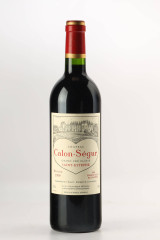
The quality hierarchy follows this pattern. In Pauillac, Château Latour illustrates the consistency of great terroirs with deep gravel soils, while in Saint-Julien, Château Léoville Poyferré 1999 produced a dense, accomplished wine for the vintage. The best Margaux estates, with their well-drained soils, also rank among the Left Bank’s successes. On the Right Bank, success is more selective, favoring properties with the most free-draining soils. This is a Bordeaux vintage to approach through its best classified growths, now at their peak.
Aging potential: drink Left Bank wines now; favor well-preserved bottles, while the sweet wines have the most aging potential left.
Champagne experienced a warm, sunny growing season in 1999, one of the decade’s sunniest, followed by an abundant harvest. Ripe grapes yielded rounded, rich wines with moderate acidity and generous fruit. The major houses widely declared the vintage, and their vintage cuvées are now fully mature. Their generous, open style makes these Champagnes better suited to drinking now than to very long aging.
The best cuvées combine the vintage’s richness with a long finish. Bollinger offers a firmer, more vinous expression, true to the house style and remarkably enduring. This is a year to choose for vintage cuvées ready to drink, focusing on the best-preserved bottles.
Aging potential: cuvées are mature and ready to open now, with the most structured still retaining some vibrancy.
Beyond the major wine regions, 1999 holds a few rarities for lovers of distinctive bottles. In the Loire, a dry fall favored Savennières whites: focused, mineral wines capable of long aging. In Alsace, terroir-driven Rieslings and the finest late-harvest wines benefited from a sunny late season. These are wines to judge bottle by bottle rather than by region.
These exceptional cuvées are what make this side of the vintage so compelling. In Savennières, Clos de la Coulée de Serrant embodies age-worthy Chenin Blanc: dense and saline, ideal for a fine meal. Terroir-driven Alsatian Rieslings, focused and deep, complete this small selection. Two contrasting expressions that capture the hidden richness of 1999.
Aging potential: Savennières whites and terroir-driven Rieslings still going strong; open them for a fine meal, or hold on to the most concentrated bottles.
Choosing a 1999 wine means looking first to the northern Rhône and Burgundy’s great reds, two late-decade high points, without overlooking Left Bank Bordeaux wines now drinking beautifully or the rare Loire and Alsace wines that distinguish the year. Every bottle is expertly assessed, inspected and stored in optimal conditions, then shipped the same day for express delivery when ordered before 2 p.m. Wooden gift boxes, personalized messages and scheduled shipping are available to make planning birth-year wine gifts easy. To compare 1999 with neighboring vintages and find the right bottle, consult the SoDivin Vintage Guide.