 /
/ 

























Receive our latest arrivals of 2011 Wine directly in your inbox!
Sign up and be the first to hear about new arrivals.

Would you like to create the composition yourself? Contact us!
 Contact us

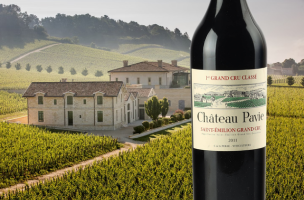
The 2011 vintage brings a more classic close to the three-year run that includes the giants of 2009 and 2010. One of the warmest springs in six decades, followed by a cool, wet summer, led to a very early harvest and wines defined by freshness rather than power. For buyers, the hierarchy is clear: Sauternes sweet wines and great dry whites are the year's highlights, while the elegant, already approachable reds should be chosen by appellation and enjoyed over the medium term, without waiting decades. In Bordeaux, Château Pavie exemplifies the Right Bank's success, and Château d'Yquem the outstanding success of the sweet wines. To explore regions and styles year by year and compare ratings, the Vintage Guide helps inform every buying decision.
Read moreFilter
Products (26)
Sign up and be the first to hear about new arrivals.
A few GREAT WINES from 2011...
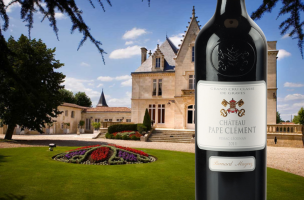
Yes, provided you choose carefully. 2011 is a classic vintage, marked more by freshness than power, following the two outstanding years of 2009 and 2010. In Bordeaux, the highlights are the sweet wines of Sauternes and the great dry whites, which show rare precision. The reds are elegant and already enjoyable, but it pays to choose by appellation: the Right Bank and Pessac-Léognan did particularly well. A wine such as Château Pape Clément exemplifies this precise, balanced style.
Absolutely. A bottle from 2011 makes an ideal gift to celebrate a birth year, the anniversary of a first meeting, or a wedding anniversary. One advantage of this vintage is that it is ready to drink: the reds can be enjoyed now, while the whites and sweet wines offer freshness and vibrancy. For a specific occasion, it's best to choose a mature wine that's easy to share rather than a bottle intended for very long aging.
For reds, 2011 favored the Right Bank, particularly Pomerol and Saint-Émilion, as well as Pessac-Léognan, where the wines combine pure fruit with fine tannins. Among the classified growths of Bordeaux, look for estates that harvested at the right time and sorted their grapes rigorously, because selection made all the difference that year. The dry whites of Pessac-Léognan are also among the vintage's finest successes, while for lovers of sweet wines, Sauternes and Barsac are among its high points.
Between two monumental vintages, 2011 took a different path: balance and finesse. A very warm start to the growing season followed by a cool, wet summer brought forward one of the earliest harvests in recent history and yielded wines lower in alcohol, more focused and more classic in style. For buyers, it's a straightforward year to navigate: start with the sweet wines and great dry whites, choose reds by region and estate, and enjoy wines that are often ready to drink.
In Bordeaux, 2011 will be remembered as a year that demanded careful selection. One of the warmest springs in six decades brought an early start to the growing season, before a cool, wet summer called for vigilance and rigorous sorting. According to The Wine Cellar Insider, the vintage is good rather than great, best enjoyed over the medium term rather than cellared for decades. Moderate in alcohol, the reds emphasize freshness and the distinctive character of their terroir. The hierarchy is clear: the Right Bank, including Pomerol and Saint-Émilion, and the Graves of Pessac-Léognan produced the most accomplished reds, while the sweet wines of Sauternes and Barsac were a great success, thanks to ideal autumn conditions for botrytis — “noble rot.”
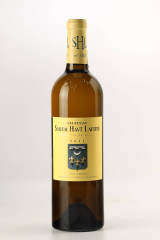
The dry whites of Pessac-Léognan continue a superb run, combining richness with tension, and Château Smith Haut Lafitte offers a reliable benchmark. On the Right Bank, the Pomerol appellation produced some of the year's most complete reds, with ripe tannins and pure fruit. Among sweet wines, Sauternes and Barsac lead the vintage: Château Coutet, in Barsac, exemplifies the combination of aromatic brilliance and fresh sweetness that makes the great age-worthy wines of the Sauternes region.
Aging potential: reds to enjoy now and over the next ten to fifteen years; dry whites at their peak and collectible sweet wines for very long-term cellaring — check fill level and provenance before buying.
Burgundy saw one of its earliest harvests in 2011, with grapes brought in as early as August in some areas. Decanter describes an appealing vintage that is already approachable: lively, charming reds with bright fruit but a lighter body, and pure, aromatic, precise whites. This is a winemaker's year, when harvest dates and sorting made the difference between fine wines and more diluted ones. For buyers, the message is simple: enjoy 2011 for its immediate elegance, without the patience required by great age-worthy vintages.
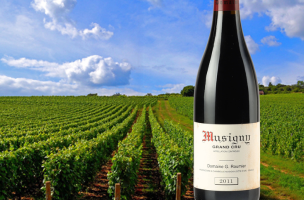
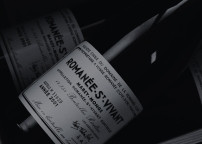
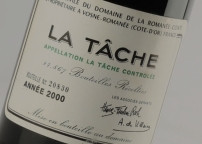
The reds of the Côte de Nuits offer the finest expression of this light, airy style, as seen in the wines of Domaine Georges Roumier in Chambolle-Musigny. At the very top, Domaine de la Romanée-Conti made wines of remarkable finesse from its grand cru vineyards, true to their terroir. Among whites, Chablis and the Côte de Beaune produced the year's most vibrant and easy-drinking bottles.
Aging potential: a year best enjoyed relatively young — the reds are already approachable, while the whites are best savored for their freshness; save the grand crus for patient enthusiasts and check provenance.
In the Rhône Valley, 2011 favored the north above all. According to Decanter, Northern Rhône Syrah achieved an impressive level of finesse in a fresh, fragrant style reminiscent of 2007, producing elegant rather than powerful wines. The south was more uneven: Châteauneuf-du-Pape and its neighbors did not match the brilliance of 2010, but the best estates made flavorful reds and particularly successful whites. Once again, this is a year when the producer's name matters as much as the appellation.
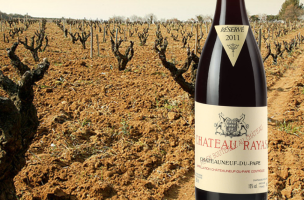
In the Northern Rhône, Hermitage and Côte-Rôtie show the purity of the year's Syrah, as the wines from M. Chapoutier attest. In the south, the leading estates rise above the vintage's challenges: in Châteauneuf-du-Pape, a legendary estate like Château Rayas makes a fresh, delicate wine that transcends the character of the year.
Aging potential: Northern Rhône Syrahs can age for ten to fifteen years, and Châteauneuf wines from the best estates for a little less; an ideal year to enjoy Syrah in its fragrant youth.
Languedoc-Roussillon is the southern heart of the 2011 selection. Far from the weather challenges that complicated the vintage in northern France, its Mediterranean climate brought reassuring consistency: here, vintage quality depends above all on terroir and the winemaker's skill. The region's leading estates made structured, spicy reds in 2011, with finely woven tannins and the ability to age without losing their sun-ripened fruit. It's an ideal introduction to highly expressive wines, often more accessible than their Bordeaux or Burgundy counterparts.
In Terrasses du Larzac, Mas Jullien crafts deep, distinctive reds that rank among the appellation's benchmarks. In Pézenas, Domaine les Aurelles cultivates a dense, mellow style made for the table and the cellar. Pic Saint-Loup, Roussillon and the hillsides of the Gard complete the picture with characterful wines from Clos Marie, Roc d'Anglade and Clos des Fées.
Aging potential: reds that are ready to drink but will continue to improve over the next five to ten years; a reliable choice for a great southern wine to open without waiting for a distant special occasion.
The Loire benefited from fine late-season weather and an early harvest in 2011, both conducive to freshness. The Cabernet Francs of Anjou-Saumur offer fragrant reds with supple tannins, in an easy-drinking style that is part of the region's charm; the Chenins combine ripeness with acidity. This is a region where elegance takes precedence over power, perfectly in tune with the spirit of the vintage.
In Saumur-Champigny, a legendary estate like Clos Rougeard takes Cabernet Franc to remarkable heights of finesse and purity, with wines that combine immediate freshness with genuine aging potential. Elsewhere, the Loire Valley's best winemakers pursue that same balance in terroir-driven wines made for the table.
Aging potential: reds to enjoy now and, for the more serious wines, over the next ten years; a reliable choice for a richly satisfying tasting experience without a long wait.
2011 is a vintage for lovers of finesse: a classic, cool year whose sweet wines and great dry whites are its highlights, while its elegant, already approachable reds reward careful selection by region and estate. It's also an excellent introduction to some of the greatest names, in a refined style and at maturity. To see how 2011 compares with other years and refine your choice, SoDivin's Vintage Guide brings together our ratings region by region and helps you find the ideal bottle.