 /
/ 



















Receive our latest arrivals of 1969 Wine directly in your inbox!
Sign up and be the first to hear about new arrivals.

Would you like to create the composition yourself? Contact us!
 Contact us

In 1969, the regional hierarchy reversed: Burgundy and the Northern Rhône dominated a vintage that proved more difficult for Bordeaux. Late flowering and a small harvest, ripened by a fine fall, produced concentrated, structured Pinot Noirs built for long aging—a year critics rank among the decade’s best. The great reds of the Côte de Nuits, exemplified by Domaine de la Romanée-Conti, offer its finest expression, while the Northern Rhône rivals the legendary 1961s, led by Paul Jaboulet Aîné with its Hermitage La Chapelle. In Bordeaux, only the finest vineyards produced wines of comparable quality: look to established names and check provenance. To explore 1969 region by region, consult our Vintage Guide.
Read moreFilter
Products (10)
Sign up and be the first to hear about new arrivals.
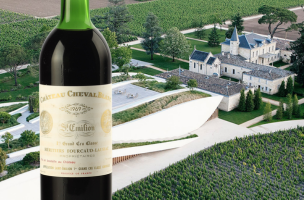
Burgundy leads the way: its Pinot Noirs are concentrated and structured, ranking among the decade’s finest successes. Northern Rhône follows closely with its Côte-Rôtie and Hermitage wines. Champagne also produced an excellent, richly vinous vintage. Bordeaux had a more difficult year: September rains diluted some of the reds, and only exceptional terroirs made the most of the vintage, with Château Cheval Blanc among the few reliable choices on the Right Bank. For a purchase, prioritize Burgundy and the Rhône, followed by Bordeaux’s most renowned estates.
Yes, provided you choose the right bottle. A 1969 wine carries nearly six decades of history and will resonate with anyone born that year or celebrating a memory from that time. For a birth year gift, a fine red Burgundy or a prestige Champagne that remains lively and expressive is among the safest choices. For Bordeaux, it’s better to choose a first growth or a sweet Sauternes, which will outlast the vintage’s more modest wines. In every case, check the bottle’s condition and fill level before buying.
For the most part, yes. Red wines from Burgundy and the Rhône, as well as Champagnes, are now fully mature: they’re ready to drink, although the best well-preserved bottles can still last several more years. The year’s great Bordeaux classified growths are ready too, provided the bottles have impeccable provenance and fill levels. At this age, storage conditions matter more than the name: a bottle kept cool and away from light will always have the advantage. Open these wines carefully after letting them stand upright for a few days.
In 1969, the regional picture is the reverse of a classic Bordeaux year. The heart of the vintage lies in Burgundy and the Northern Rhône, complemented by excellent Champagne, while Bordeaux faced a more challenging year. Here’s what to know, region by region, before you buy.
Burgundy takes center stage in 1969. A small harvest of relatively few but ripe berries produced dense Pinot Noirs with firm tannic structure and balanced acidity. Critics rank the year among the decade’s greatest, especially in the Côte de Nuits, where the wines have gained depth over time. The whites are equally impressive: precise and marked by lovely freshness. For buyers seeking this vintage, Burgundy is the region to prioritize.
The finest reds come from the top of the hierarchy. In Gevrey-Chambertin, Domaine Armand Rousseau produced 1969 wines cited among the year’s finest. The Chambolle-Musigny appellation beautifully illustrates the vintage’s style, combining finesse and body, while the vineyards of Vosne-Romanée and Morey-Saint-Denis complete this picture of Burgundy at its best. These are wines made for aging, now fully mature and rewarding the patience of wine lovers.
The Northern Rhône excelled in 1969. Its Syrahs are powerful, flavorful, and remarkably balanced—so much so that they are often compared with the legendary 1961s. Côte-Rôtie, Hermitage, and Cornas lead the way, with concentrated wines made for long aging. Ripeness and freshness came together here, a hallmark of the finest Rhône vintages. The southern valley, less impressive that year, cedes the spotlight to the north.
Paul Jaboulet Aîné’s Hermitage La Chapelle is among the legendary bottles of 1969, alongside the Côte-Rôties from Guigal. In Hermitage, Jean-Louis Chave produced a wine of great depth, true to the appellation’s reputation for longevity. The year’s dense, distinctive Cornas wines also deserve the attention of Northern Rhône Syrah lovers. After decades of aging, these wines are now in an excellent drinking window.
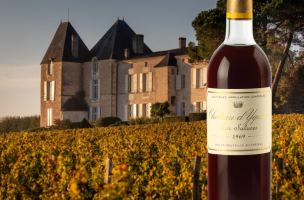
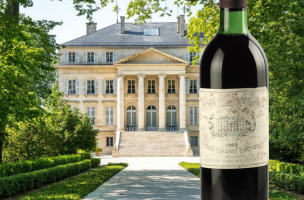
The vintage’s finest achievement comes from Pomerol with Pétrus, whose purity of fruit transcends the year. On the Left Bank, Château Latour and Château Haut-Brion are among the few first growths to have aged with distinction. The sweet wines of Sauternes offer a safer bet: Château d'Yquem remains a reliable benchmark, thanks to botrytis—the noble rot that concentrates the wine. For other appellations, caution and close attention to provenance remain essential.
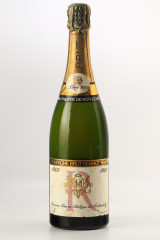
Champagne declared 1969 a great vintage. The wines are full-bodied and ripe, with acidity that has given them remarkable longevity. The leading houses produced vintage cuvées hailed as some of the finest of the 1960s, a decade often described as a golden age for the region. Over time, these Champagnes have developed mature notes of candied fruit, roasted aromas, and honey while retaining their vibrancy. This is a vintage for the table as much as for celebration.
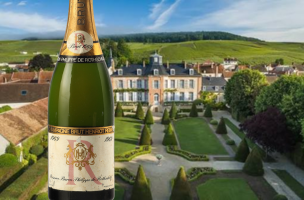
Dom Pérignon 1969 embodies this success and is regularly cited among the house’s finest wines of the decade. The year’s other great prestige cuvées share that depth and an unusual capacity for aging in Champagne. These rare bottles are sought after by collectors and lovers of aged Champagne alike. Serve them slightly less chilled than young Champagne to let their complexity shine.
1969 is a connoisseur’s vintage: it rewards those who know which regions and producers to choose. Burgundy and the Northern Rhône are at its heart, Champagne contributes outstanding bottles made for aging, and in Bordeaux, the exceptional vineyards are the ones to seek out. To compare the year with neighboring vintages and refine your choice, our Vintage Guide details ratings region by region. Every bottle offered is professionally assessed and carefully stored, for a tasting experience worthy of its age.