/





















Receive our latest arrivals of 1964 Wine directly in your inbox!
Sign up and be the first to hear about new arrivals.

Would you like to create the composition yourself? Contact us!
 Contact us

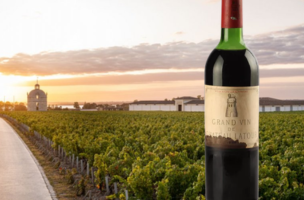
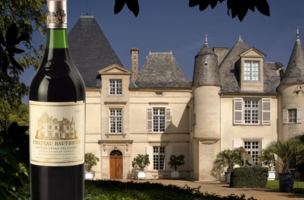
Hailed as the “vintage of the century” before the harvest had even begun, 1964 fulfilled its promise for those who picked in time. After a hot, dry summer, heavy rains set in on October 8: estates that harvested early made great wines, while those that picked later saw their crop diluted. The year’s hierarchy must therefore be judged château by château, not appellation by appellation. In the Médoc, Château Latour harvested before the rain and remains the benchmark wine of the vintage, while Château Haut-Brion, also harvested in time, retained all its depth in Graves. The earlier-harvested Right Bank and an exceptional Champagne vintage round out a year of contrasts that yielded many outstanding bottles. To see how 1964 compares with other years, consult the Vintage Guide.
Filter
Products (19)
Sign up and be the first to hear about new arrivals.
The standout 1964 wines come first and foremost from estates that harvested before the October rains. In the Médoc, Château Latour stands out as the wine of the year, alongside Château Montrose; in Graves, Château Haut-Brion retained all its depth. The Right Bank was another great success of the vintage: in Pomerol, Petrus made a full-bodied, distinguished wine, while in Saint-Émilion, Château Cheval Blanc produced one of its finest 1964 wines. Beyond Bordeaux, Burgundy—with Armand Rousseau and Romanée-Conti—and exceptional Champagne round out the year’s highlights.
Yes and no: 1964 was a mixed year in Bordeaux, where quality depended more on the harvest date than on a château’s classification. Estates that harvested before October 8—especially on the Right Bank and in Graves—made great wines; several châteaux in the northern Médoc, caught by the rain, produced lighter 1964s. It’s best to choose a Bordeaux red from this year by château and carefully check its fill level and provenance before buying. As a guide, the best-preserved Bordeaux classified growths remain the most reliable benchmarks for the vintage.
To celebrate someone born in 1964—turning 62 in 2026—the choice comes down as much to sentiment as to the bottle’s condition. A grand cru harvested before the rain, or a Pomerol or Saint-Émilion from the Right Bank, makes a gift steeped in history, provided the bottle has an impeccable fill level and provenance. For a gift you can be confident will be enjoyed, a 1964 port, aged Madeira, or Bas-Armagnac is a far more reliable choice: these bottles stand the test of time. You’ll find more ideas among our birth-year wines, spanning every region and budget.
The 1964 vintage is not one to buy blindly, but it rewards an informed choice. A hot, dry summer had raised hopes of a great vintage everywhere—so much so that the agriculture minister called it the vintage of the century before the first grapes were picked. Then rain set in on October 8 and continued for nearly three weeks, hitting the northern Médoc especially hard, where Cabernet Sauvignon had yet to reach full ripeness. The result is a vintage of two halves, in which success depends more on the estate and harvest date than on the appellation. It is also a year of striking regional contrasts: great in Champagne, solid in Burgundy and more challenging in Sauternes.
In Bordeaux, 1964 is a textbook example of the Médoc’s vulnerability to autumn rain. Estates that brought in their grapes before October 8 harvested ripe fruit concentrated by the hot summer and made full-bodied, deep reds; those that waited picked in the rain, producing diluted, uneven wines. The Right Bank was the year’s big winner: Pomerol, always first to harvest, followed by Saint-Émilion, brought in most of their crop before the rain, while Graves fared better than the Médoc. In Sauternes, by contrast, the rain prevented noble rot—botrytis—from developing properly: the vintage is weak there and holds little appeal beyond the curious. The buying rule is therefore simple: for 1964 Bordeaux reds, choose by château, never by appellation alone.
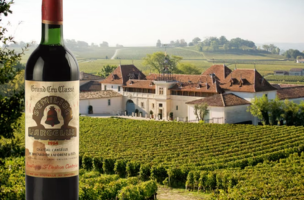
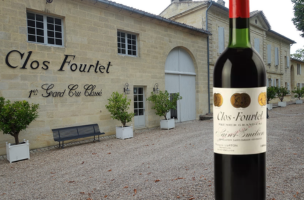
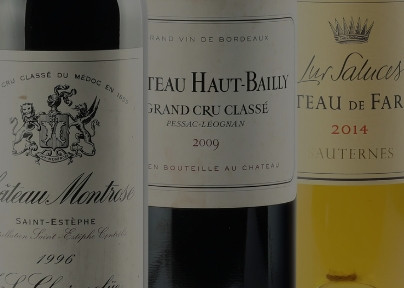
Château Latour remains the benchmark Médoc wine of 1964, precisely because it finished harvesting before the rain; its best bottles still show a mature color and a complex nose of cedar, tobacco and spice. Château Montrose, in Saint-Estèphe, shares the same story and success for the same reason. On the Right Bank, Petrus exemplifies the fullness of a great Pomerol from the year, while Saint-Émilion estates that harvested early—such as Château Angelus and Clos Fourtet—are among the vintage’s safest choices. Conversely, several big names in the northern Médoc, notably Lafite and Mouton Rothschild, were caught by the rain and produced lighter 1964 wines, best left to knowledgeable enthusiasts seeking impeccably preserved bottles.
Aging potential: the great wines harvested before the rain are now ready to drink; check the fill level and favor the château over the appellation.
Burgundy experienced the opposite of the difficult 1963 vintage: a dry, sunny season, with Dijon recording the decade’s lowest rainfall, yielded rich, fleshy, concentrated reds. These are traditionally styled wines, sustained by still-lively acidity rather than opulence, and the Côte de Nuits is the place to look, with Gevrey-Chambertin and Vosne-Romanée producing the most profound bottles. The whites were successful but shorter-lived and should be drunk without delay; Decanter, in fact, rates them well below the reds. A storm also reduced part of the Chablis harvest.
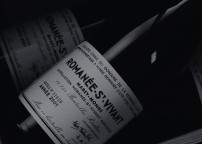
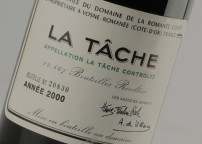
Domaine Armand Rousseau embodies the vintage’s success with its Chambertin and Clos Saint-Jacques, both cited as benchmarks for the year. Domaine de la Romanée-Conti also produced outstanding bottles from its Vosne vineyards, with a finesse the best bottles retain intact. Along with a few other great Côte de Nuits names, these are the cuvées to seek out for anyone looking for a 1964 Burgundy red that is still drinking well.
Aging potential: well-preserved Côte de Nuits grand crus remain enjoyable; open the whites and village wines without delay.
For Champagne, 1964 ranks among the decade’s finest vintages. The hot, dry summer produced ripe, concentrated grapes across all three growing areas, and the year brought the great run of the early 1960s to a splendid close—1965, plagued by rot, would not be declared. The 1964 Champagnes combine breadth, depth and a freshness that has allowed them to age for decades; the finest cuvées, impeccably stored, retain fine bubbles and elegant aromas of candied fruit, brioche and hazelnut.
Dom Pérignon 1964 is one of the year’s iconic wines, and the great houses—from Bollinger to Salon, Roederer to Taittinger—all produced cuvées from this vintage that are now sought after by lovers of aged Champagne. These are bottles for collecting as much as drinking, best reserved for special occasions.
Aging potential: cuvées from impeccably stored bottles can still be expressive; check provenance and storage conditions before opening.
In the Rhône Valley, 1964 was a good year with modest yields, producing generous, full-bodied reds. The north, on its Syrah-covered slopes, offers the most reliable bottles—led by Hermitage and Côte-Rôtie—while the south, around Châteauneuf-du-Pape, produced rich, warm wines. As elsewhere that year, success depended on the estate’s rigor, and the best cuvées came from the leading houses.
The house of Paul Jaboulet Aîné, with its Hermitage La Chapelle, remains the benchmark for Northern Rhône Syrah that is still vibrant from this vintage; Domaine Jean-Louis Chave in Hermitage is the other great name. In Châteauneuf-du-Pape, bottlings from historic houses round out the picture for those seeking an age-worthy wine from the south.
Aging potential: well-stored great Hermitage wines are still holding up; elsewhere, check the fill level and serve without delay.
Beyond France’s great wine regions, 1964 offers a particularly reliable group of bottles for drinking: fortified wines and brandies, which are not affected by the uncertainties of the harvest in the same way. A single-vintage Port—a colheita, aged for years in cask before bottling—or an old Madeira can endure the decades with a consistency few still wines can promise. These are often the most accessible and safest ways to explore an old vintage.
The vintage offers a range of choices: 1964 Port, a well-preserved Madeira, a mellowed Bas-Armagnac and even a great Piedmontese Barolo. These bottles are ready to drink and relatively unaffected by fill level. For a 1964 bottle to give as a gift or enjoy without unpleasant surprises, they are exceptionally reliable choices.
Aging potential: Ports, Madeiras and brandies are stable and ready to drink; the safest choice for a birth-year bottle.
Choosing a 1964 wine calls for precision: a great Médoc harvested before the rain, a Right Bank Pomerol or Saint-Émilion, an exceptional Champagne or, more reliable still, a Port, Madeira or brandy that stands the test of time. Every bottle in our selection is assessed by experts, checked for authenticity and provenance, then stored under controlled conditions before shipping. To compare vintages and refine your choice, consult the SoDivin Vintage Guide.