/





















There are no products here at the moment.
You can use the search bar or menu to find others, or send us a message.
Back to homepage Contact us
Would you like to create the composition yourself? Contact us!
 Contact us

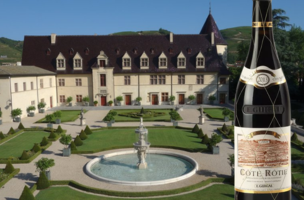
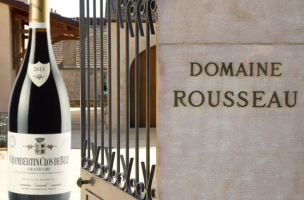
The 2013 vintage is marked by freshness and finesse, born of a late, changeable growing season in which winemaking skill made all the difference. Its greatest successes lie outside Bordeaux: the Northern Rhône produced classic, structured Syrahs, among the decade’s finest, while the Côte de Nuits, spared by hail, yielded elegant, distinctive Pinot Noirs. In Bordeaux, the reds require careful selection, but Sauternes enjoyed an excellent vintage for sweet wines. In Côte-Rôtie, Guigal La Mouline 2013 offers a fragrant Syrah of remarkable purity; in Burgundy, Armand Rousseau Chambertin Clos de Bèze 2013 expresses all the nobility of Gevrey in a precise, profound wine. To see how 2013 compares with other years, consult the SoDivin Vintage Guide.
You can use the search bar or menu to find others, or send us a message.
Back to homepage Contact usSign up and be the first to hear about new arrivals.
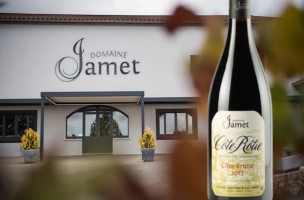
Yes, provided you choose the right region. 2013 was a year marked by freshness, moderate alcohol levels and lively acidity, with its greatest successes largely outside Bordeaux. The great Syrahs of the Northern Rhône, such as those from Domaine Jamet, are among the year's finest bottles: classic wines built for long aging. In Burgundy, the Côte de Nuits produced elegant, easy-drinking reds, while Sauternes offers fresh, pure sweet wines shaped by early botrytis (noble rot). This is a vintage to buy for finesse rather than power.
It all depends on what you have in mind. For cellaring, the Syrahs of the Northern Rhône — Côte-Rôtie, Hermitage and Cornas — are the year's safest bets, followed by the Grand Crus of the Côte de Nuits. Among Bordeaux wines, favor the Cabernets of the northern Left Bank, which fared better than the Merlots, and the highest-rated Bordeaux Classified Growths. The fresh, balanced sweet wines of Sauternes also age very well. For more immediate enjoyment, Burgundy whites and reds from southern Rhône winemakers already offer plenty of pleasure.
Absolutely. A wine from 2013 makes a wonderful birth-year gift: still young, it has the freshness and finesse that define this vintage. For a gift to open fairly soon, a fine Northern Rhône red or a sweet Sauternes wine is already appealing. For longer cellaring, a Côte de Nuits Grand Cru can accompany someone born in 2013 for many years. Every bottle is inspected and shipped with the utmost care.
The 2013 vintage rewards careful selection and an appreciation for freshness. After a late season marked by difficult flowering and unsettled conditions until a welcome September, the finest results were concentrated in a few specific regions. The northern Rhône and Côte de Nuits were the biggest winners; Sauternes produced Bordeaux’s finest wines of the year, and several southern winemakers made the most of the vintage’s fresh character. Here is a look at the regions to prioritize when buying.
The northern Rhône is the great winner of 2013. A late season, rescued by a dry, sunny September, produced classic, structured Syrahs with fine freshness, moderate alcohol and acidity that gives the wines lift. Yields were low, but quality benefited, with greater concentration and definition. Hermitage, Côte-Rôtie and Cornas lie at the heart of the vintage’s successes, in a focused, distinguished style that Decanter counts among the year’s pleasant surprises. The south suffered more: poor fruit set affected Grenache, resulting in more uneven wines in Châteauneuf-du-Pape.
Côte-Rôtie is home to the vintage’s finest bottles. René Rostaing produces a finely sculpted, mineral Côte Brune, while Mathilde and Yves Gangloff offer a Sereine Noire with exceptionally pure fruit. The Syrahs from Guigal and Domaine Jamet confirm the area’s consistency, with black fruit, pepper and smoky notes. In Châteauneuf-du-Pape, the best estates preserved balance despite a more challenging year in the south.
Aging potential: the great northern Syrahs can age for fifteen to twenty years; the 2013 Châteauneuf-du-Pape wines are best enjoyed sooner.
In Burgundy, 2013 brought a small harvest—the fourth in a row—marked by uneven flowering and a severe hailstorm in the Côte de Beaune. The largely spared Côte de Nuits came out ahead: its reds are fresh, elegant and delicately fruity, supported by lively acidity and ripe tannins. These wines favor finesse over power, offering immediate drinking pleasure but also the ability to age when they come from the finest terroirs. The whites, more consistent still, display a highly prized saline tension.
The Côte de Nuits grands crus are the stars of the vintage. Domaine Anne Gros produces a remarkably pure, exquisitely delicate Richebourg, while Domaine Michel Noellat captures the year’s aromatic finesse in its Échezeaux. At both Armand Rousseau and Louis Jadot, Gevrey and Morey-Saint-Denis yield distinguished, precise and deep Pinot Noirs. Limited production makes each of these bottles particularly sought-after.
Aging potential: Côte de Nuits reds are enjoyable now, while the grands crus can age for ten to fifteen years; whites are at their peak.
In Languedoc-Roussillon, 2013 is above all about the winemakers. Cooler and later than average, the vintage demanded patience and careful sorting, and estates working with old vines and low yields made the most of the year. Their wines combine freshness, depth of fruit and a clear expression of terroir, without any heaviness. This is a region to explore by producer rather than by vintage alone.
In Roussillon, Domaine Gauby produces a high-altitude wine of tremendous energy with its Muntada cuvée, while its Vieilles Vignes offers a more accessible introduction in the same spirit. In the Terrasses du Larzac, Mas Jullien confirms its benchmark status with a balanced, easy-drinking red. The white from Mas de Daumas Gassac rounds out this selection of characterful southern wines.
Aging potential: enjoy over five to twelve years, depending on the cuvée; Gauby’s top reds can wait longer.
Provence followed the same pattern in 2013: a fresh vintage in which the most meticulous estates produced the finest bottles. In Bandol, Mourvèdre needed time to ripen, yielding structured reds with good aging potential, made for both the table and the cellar. In the Alpilles, the blend of Cabernet and Syrah finds ideal conditions for elegance and length in this kind of cool vintage.
Domaine de Trévallon exemplifies this finesse with a deep, distinguished red, also available in magnum for aging. In Bandol, Domaine Tempier produces a dense, spicy Mourvèdre from the La Tourtine terroir, destined to evolve over many years. These Provence wines, still too rare in cellars, fully deserve a place alongside the great reds of the Rhône.
Aging potential: Trévallon and the great Bandol wines can age for ten to twenty years; patience is recommended for the youngest bottles.
In Bordeaux, 2013 will be remembered as a difficult year for reds: uneven flowering, summer hail and September rain complicated ripening, especially for Merlot. Cabernets from the northern Left Bank, in Pauillac and Saint-Estèphe, fared best, producing fresh, easy-drinking wines with moderate alcohol, generally best enjoyed young. Selecting carefully, château by château, matters more than ever here. But Bordeaux’s truly great wines of 2013 are its sweet wines.
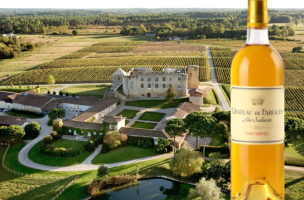
In Sauternes, early botrytis and a cool late season produced fresh, pure and balanced sweet wines, hailed by Decanter as one of the year’s successes. Château de Fargues is a fine example: luscious yet focused, with remarkable freshness. On the Right Bank, Château La Mondotte shows that the best terroirs in Saint-Émilion also produced balanced wine. For lovers of sweet wine, 2013 is a year not to overlook.
Aging potential: Sauternes sweet wines can age for fifteen to twenty-five years; open the 2013 reds while young, apart from the finest crus.
The 2013 vintage appeals to wine lovers who prefer finesse and freshness to power. It is a vintage that rewards careful selection, with its finest wines coming from the northern Rhône, the grands crus of the Côte de Nuits, the best winemakers of Languedoc and Provence, and the sweet wines of Sauternes. To compare 2013 with other years and find bottles that have reached their peak, keep the SoDivin Vintage Guide handy. Every bottle is selected, inspected by experts and stored in optimal conditions before shipping.