/
























Receive our latest arrivals of 1974 Wine directly in your inbox!
Sign up and be the first to hear about new arrivals.

Would you like to create the composition yourself? Contact us!
 Contact us

1974 was one of the most difficult years of the decade in Bordeaux: after a promising summer, September rains swelled the grapes and diluted the harvest, producing reds that were often light and lacked concentration. But this vintage rewards buyers who choose by the estate rather than the year. Graves and Pomerol fared better than the Médoc, and a handful of exceptional terroirs produced wines that are still balanced and enjoyable: Château Latour 1974 remains one of the year’s finest successes, while La Mission Haut-Brion 1974 shows what a great Pessac-Léognan terroir can achieve in a difficult year. This is a vintage to approach estate by estate, ideal for marking a birth year or a special date. To see how 1974 compares with other vintages, consult the Vintage Guide.
Filter
Products (15)
Sign up and be the first to hear about new arrivals.
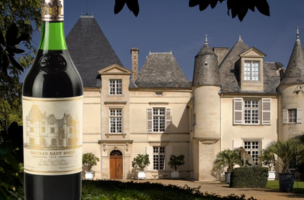
Yes, if you choose carefully. 1974 was never a great vintage: rain during the harvest diluted most reds, and time has taken its toll on the more fragile wines. The appeal lies in a small number of estates whose terroir and rigorous selection have helped their wines stand the test of time, especially in Graves and Pomerol. A name like Château Haut-Brion shows how the finest terroirs have endured where the average wine from that year has faded. This is a purchase for connoisseurs, best judged bottle by bottle rather than on the vintage alone.
For many of them, the drinking window has closed: made from grapes that were not fully ripe, ordinary 1974 reds are now tired and should be approached with caution. The exceptions come from the finest terroirs and bottles stored in ideal conditions, where the wines had enough substance to last through the decades. They are enjoyed for the experience of drinking an old wine, with tertiary aromas of leather, undergrowth, and tobacco, rather than for their power. The best-preserved Bordeaux classified growths remain the safest choices from the vintage. Carefully checking the fill level, color, and cork is essential before any purchase.
To celebrate someone born in 1974 — turning fifty-two in 2026 — the choice depends as much on the sentiment as on the bottle’s condition. A perfectly preserved classified growth from Graves or a fine Pomerol makes a particularly meaningful gift: it honors the year and can be saved for a special occasion. Our birth-year wines bring together bottles suited to occasions like these, from birthdays to retirements. In every case, a high fill level into the neck and impeccable provenance are more reliable guides than the vintage itself.
The 1974 vintage was one of the most challenging years of the decade in France. An encouraging spring and early summer had raised hopes of a return to form after two lackluster years, but repeated rain in September and October swelled the grapes and diluted the crop at the crucial moment. The result was a plentiful but lightly concentrated harvest, with quality depending largely on the winemaker’s skill and the rigor of grape selection. This is not a year to seek out for power, but here and there it still offers characterful bottles from the finest terroirs—and for buyers, it remains a promising hunting ground for a birth year or a special date.
In Bordeaux, September’s rain did the sorting for the winemakers: Médoc reds, often light and green, rarely have the depth of great years. Attention shifts to the early-ripening, well-drained terroirs of the Right Bank and Graves, which better resisted dilution. Pomerol, buoyed by its Merlot, produced the year’s fullest-bodied bottles, while Pessac-Léognan offers wines with taut elegance. The sweet wines of Sauternes fared somewhat better than the reds, without reaching great heights. Here more than anywhere, the name on the label matters more than the year beside it.
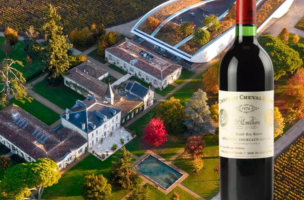
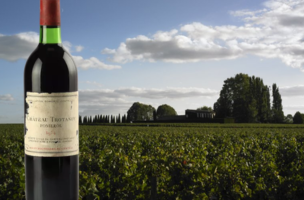
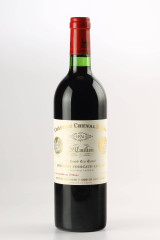
In Pomerol, Château Trotanoy is considered the appellation’s finest success in this vintage, concentrated and surprisingly ripe for the year. In Saint-Émilion, Château Cheval Blanc remains the benchmark, thanks to a terroir and expertise that transcend modest years. In Graves, Château Pape Clément is among the classified growths to watch, while on the Left Bank Château Pichon Longueville Baron shows what the rigor of a great Pauillac could still salvage. These few names, more than the appellation alone, make 1974 worth exploring in Bordeaux.
Aging potential: limited to grand crus from Graves and Pomerol with perfect fill levels; wines for a memorable occasion, to open without delay after inspecting the bottle
Burgundy was not spared: sometimes torrential rain made harvesting difficult and left the grapes excessively acidic. Overall quality was poor, to the point that some estates decided not to bottle their wines. The whites fared slightly better than the reds, with somewhat fruitier wines, but overall they lack body and length. This is a vintage where only a wine from an exceptional estate, stored in perfect conditions, might still be worth opening.
In these circumstances, interest is limited to the finest climats of the Côte de Nuits and Côte de Beaune, whose best wines can retain a trace of their terroirs’ characteristic finesse in well-preserved bottles. To explore the region’s leading producers, our Burgundy crus bring together estates whose names remain a guide, even in the most difficult years. Buying a 1974 is more about historical curiosity than immediate enjoyment.
Aging potential: limited to grand crus from leading estates that have been impeccably stored; drink without delay.
The Rhône Valley produced uneven wines from disappointing grapes. The north suffered most: Syrah struggled to ripen, and many wines show the diluted, easy-drinking character of wet years. The south fared a little better, thanks to producers who sorted their grapes rigorously and made some fairly satisfying reds. Overall, though, this is a minor vintage, best approached for the pleasure of discovery rather than for aging.
A few northern Syrahs from the most conscientious producers have nevertheless endured for decades: a house such as Paul Jaboulet Aîné remains a benchmark for anyone seeking a northern red from this vintage that still has life in it. In the south, the great estates of Châteauneuf-du-Pape made the best of difficult fruit through rigorous selection. In both cases, each bottle must be judged individually, with fill level and provenance foremost in mind.
Aging potential: a few northern Syrahs and carefully selected southern reds remain recognizable; check the fill level and serve soon.
Champagne first suffered late-March frosts, which damaged more than 1,500 hectares in the Aube and the Montagne de Reims. Pinot Meunier was light, and Pinot Noir was the only grape variety to give real cause for satisfaction. With ripeness neither sufficient nor consistent, very few major houses chose to make a vintage Champagne in 1974. In Champagne, then, the year remains more of a collector’s curiosity than a great vintage.
For anyone seeking a sparkling bottle from 1974, the choice is limited to rare examples from houses that dared to declare the vintage, best reserved for enthusiasts seeking a specific date. Our Champagnes bring together leading houses whose vintage cuvées from great years deserve quite a different level of attention. For 1974, caution and a careful inspection of the bottle are essential before buying.
Aging potential: more a collector’s curiosity than a wine to enjoy; consider only a perfectly stored bottle.
In Alsace, the year yielded a harvest limited in both quantity and quality, producing wines often marked by acidity and with little aging potential. Yet, across France, it was one of the white-wine regions least affected by the vintage. Its wines tended to be crisp and lively, made for early enjoyment rather than cellaring. Half a century later, their appeal is primarily historical, for enthusiasts with a connection to that particular year.
For a vintage like this, look to the more structured grape varieties—Riesling and Pinot Gris from good producers—and bottles that have been impeccably stored. Our Alsace wines showcase the region’s leading producers, whose great vintages reveal an entirely different aging potential. In 1974, these whites are best opened only out of curiosity, and without delay.
Aging potential: most are past their peak; open for the story, not for further aging.
Exploring 1974 wines means accepting a difficult year and focusing on its exceptions: a Pomerol grand cru with well-preserved Merlot character, a taut and elegant Graves, a distinguished Saint-Émilion, or a rare Burgundy from the finest climats. Every bottle in our selection is professionally assessed, checked for authenticity and provenance, then stored under controlled conditions until shipping. To compare years and refine your choice, consult the SoDivin Vintage Guide.
Our team will help you choose the bottle best suited to your occasion and review its fill level and condition with you before it ships. Secure packaging, fast shipping and high-definition photography: everything is designed to help you buy an older wine with confidence.