 /
/ 























Receive our latest arrivals of 2020 Vintage wine directly in your inbox!
Sign up and be the first to hear about new arrivals.

Would you like to create the composition yourself? Contact us!
 Contact us

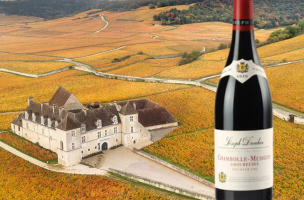
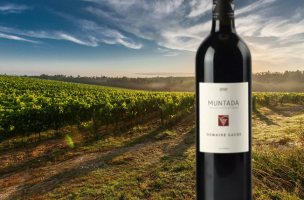
The third chapter in the warm 2018–2019–2020 sequence, the 2020 vintage is its most restrained: drought concentrated the small grapes, but cool nights preserved acidity, producing wines that are both dense and vibrant. The standouts are clear. Burgundy shines in both colors, with vibrant whites and concentrated reds; the Rhône and Loire offer fresh, precise wines; and Roussillon, despite low yields, delivers reds for aging with rare depth. In Burgundy, Joseph Drouhin Les Amoureuses expresses all the finesse of Chambolle-Musigny; in Gérard Gauby’s Roussillon, La Muntada combines concentration and elegance. To place 2020 among other great recent vintages, consult the SoDivin Vintage Guide.
Read moreFilter
Products (21)
Sign up and be the first to hear about new arrivals.
The 2020 vintage closes out an unprecedented run of three hot, dry summers. With an early start and drought conditions—several regions experienced one of their driest summers in half a century—it could have produced heavy wines. Instead, cool nights and scant rainfall concentrated the berries while preserving acidity, so 2020 is often described as a return to a more classic style. Success depended on choosing the right harvest date and managing vines through the water shortage. Where those decisions were well made, the year produced balanced, fresh and deep wines from Burgundy to Roussillon.
In Bordeaux, 2020 is the third great vintage in a row after 2018 and 2019. The summer, the driest since 1959, produced small berries, especially in Cabernet Sauvignon, with a high skin-to-juice ratio—hence the concentrated, deeply colored reds. Yet acidity remained good, and the best wines show freshness and length rather than heaviness, classic Bordeaux hallmarks. This is not strictly a Left Bank or Right Bank year: clay-limestone terroirs, which can retain water, fared best. The Right Bank was more consistently successful, however, led by Pomerol.
Pomerol’s Merlots produced fleshy, velvety wines; Pétrus and the appellation’s other great names made remarkably full-bodied 2020 wines. In Saint-Émilion, the style leans toward elegance and precision, as exemplified by Cheval Blanc. On the Left Bank and in Pessac-Léognan, superb Cabernets emerged, with Haut-Brion among the wines of the year. The sweet wines of Sauternes, meanwhile, proved more challenging to produce: botrytis—the noble rot that concentrates sugars—developed late and in small quantities.
Cellaring potential: the great reds need five to fifteen years in the cellar; extended decanting is recommended for bottles opened young.
Burgundy experienced the hottest and driest season of the young century, with rainfall far below normal in the Côte d’Or. The year’s paradox can be summed up in one sentence: sunny conditions produced wines of unexpected freshness. Cool nights preserved the tartaric acidity that forms the backbone of the vintage. The whites take center stage—precise, saline and vibrant—while the concentrated, deeply colored reds retain a lively structure. 2020 is the first year since 2015 considered equally successful for both whites and reds.
In Chablis, Vincent Dauvissat counters the heat with finely etched minerality and saline tension. In the Côte de Beaune, Vincent Dancer showcases the purity of the year’s whites and the finesse of its reds. The great reds of the Côte de Nuits, dense and structured, call for patience; in the view of Decanter’s tasters, the best rank among the decade’s most accomplished wines. The whites, meanwhile, can be enjoyed sooner without sacrificing their ability to age.
Cellaring potential: whites can be enjoyed now and over the next ten years; the finest reds are worth waiting ten to twenty years for.
In the Rhône Valley, 2020 continues a remarkable run, but in a lighter, fresher style than 2019. The summer was hot and dry, without the previous year’s heat spikes, resulting in better balance and preserved acidity. In the north, Syrah offers clean fruit, silky tannins and fine minerality, while the whites (Marsanne, Roussanne and Viognier) gain brightness and verve. In the south, the reds are supple and elegant; in Châteauneuf-du-Pape, success depends on the terroir, with the best sites producing intense yet refined wines.
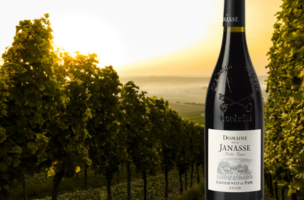
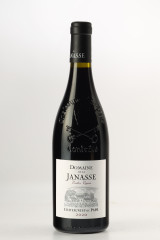
In Châteauneuf-du-Pape, Domaine de la Janasse draws a Grenache from its old vines that is both generous and fresh. In the Vaucluse, Domaine des Tours, part of the Château Rayas family of estates, charms with its finesse and pure fruit—an elegant introduction to this Rhône style. Overall, this is a vintage you can begin enjoying young, knowing that the great Châteauneuf-du-Pape wines will blossom with time.
Cellaring potential: the South’s whites and reds are approachable young; the great Châteauneuf-du-Pape wines will fully open up after a few years in the cellar.
The Loire and Alsace share a defining trait in 2020: ripe grapes, but enough acidity to keep the wines focused. In the Loire, Vouvray’s Chenin Blanc achieved a fine balance, with the grapes’ natural sugar melding into vibrant acidity across styles from dry to sweet. In Alsace, 2020 is a high-quality, sun-filled year in which Riesling grands crus produced generous yet taut dry whites built to age. Throughout, freshness keeps ripeness from turning to heaviness.
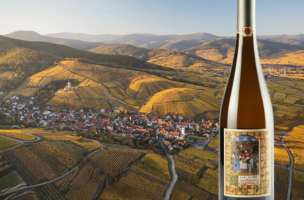
In Vouvray, Domaine Huet produces pure, saline expressions of Clos du Bourg, among the appellation’s finest successes in 2020—a testament to the finesse of Chenin that year, praised by Wine Advocate. In Alsace, Riesling grands crus, such as Wiebelsberg by Marc Kreydenweiss, combine density with mineral precision. These northern whites show that the balance defining 2020 extends even to the more northerly terroirs.
Cellaring potential: enjoy dry Alsace and Vouvray wines over ten to fifteen years; sweet Loire wines can age for several decades and are already approachable for their fruit.
The South faced a demanding year. Spring frost followed by summer drought drove yields in Roussillon to historic lows. The upside is impressive concentration: the wines are dense and aromatic, with ripe tannins and an elegant texture. Cooler terroirs, such as Pic Saint-Loup, preserved precious freshness. Roussillon, in particular, produced reds with a depth that rivals wines from more celebrated regions.
A leading figure in Roussillon, Gérard Gauby draws concentrated yet consistently elegant reds from his old vines, including the La Muntada cuvée mentioned above. In Pic Saint-Loup, Clos Marie makes Les Glorieuses, a distinctive red that is both sun-ripened and fresh. In Provence, Domaine Tempier carries on Bandol’s great Mourvèdre tradition with structured reds made for patient cellaring. These are terroir-driven wines to choose as much for their character as for their potential.
Cellaring potential: drink most over five to ten years; the great Roussillon reds and age-worthy Bandol wines will last well beyond that.
If a sun-filled year might have raised concerns, 2020 is reassuring: concentration goes hand in hand with freshness. Wines built for long aging—Right Bank Bordeaux reds, Burgundy grands crus, Châteauneuf-du-Pape and Roussillon reds—will continue to improve for many years, while Burgundy whites, Alsace Rieslings and Loire Vouvrays are already a pleasure to drink. In a vintage where so much depends on the estate, a reliable reference makes all the difference: to compare 2020 with other great years and enjoy each bottle at its peak, keep the SoDivin Vintage Guide close at hand.