 /
/ 























Receive our latest arrivals of 1971 Wine directly in your inbox!
Sign up and be the first to hear about new arrivals.

Would you like to create the composition yourself? Contact us!
 Contact us

Long overshadowed by the sun-drenched 1970, the 1971 vintage was a year of small yields and high concentration: a difficult spring reduced production before a warm, dry September saved the harvest. The year’s greatest achievements were its white wines. Burgundy produced Chardonnays of rare density, ranked among the finest postwar whites, while Alsace enjoyed one of its great years, combining ripeness with vibrant acidity. In Bordeaux, the Right Bank led the way: concentrated Pomerol wines are now at their peak, Graves produced elegant wines, and the sweet wines showed fine quality. For lovers of great whites, Domaine Leflaive exemplifies Burgundy’s success, while Pétrus represents the pinnacle of the Right Bank. To see how 1971 compares with other vintages of its era, consult our Vintage Guide.
Read moreFilter
Products (7)
Sign up and be the first to hear about new arrivals.
The 1971 vintage is best understood through its rarity. Across France, yields were low, producing dense, concentrated wines rescued by fine late-season weather. It is an uneven year in which the standing of each region matters as much as the name of the estate. Here is what you need to know, region by region, to buy with confidence.
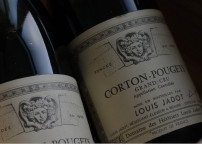
Burgundy was the high point of 1971, especially for whites. After difficult flowering, a sunny September ripened a very small Chardonnay crop of remarkable density. The whites of the Côte de Beaune are its finest expression: focused and profound, sustained by acidity that has carried them through the decades. Critics now rank them among the finest white Burgundies of the postwar era. The reds are less consistent and require more careful selection, with the Côte de Nuits offering the most reliable successes.
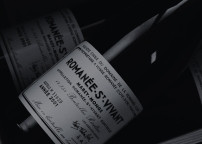
Among the whites, Domaine des Comtes Lafon in Meursault exemplifies the rare combination of power and tension that defines the year. Among the reds, the most concentrated cuvées — led by those from Domaine de la Romanée-Conti — produced wines of great depth that are now fully mature. The great appellations of Vosne-Romanée and Gevrey-Chambertin are among the terroirs that made the most of the small harvest. Alongside 1964, 1966 and 1978, 1971 thus ranks among Burgundy’s notable vintages.
Aging potential: the top white wines remain a reliable choice when well stored; for reds, favor the grand crus and check the fill level before buying.
Alsace enjoyed one of its finest years in 1971. The vintage brought together what the region seeks: fully ripe grapes and, at the same time, acidity that gives the wines length and freshness. The result is rich, powerful, balanced wines, the best of which — often made from late-harvest grapes — age beautifully. It is a rare vintage that remains too little known for its quality, making it an intriguing choice for the curious buyer.
Riesling, Pinot Gris and Gewurztraminer all produced outstanding wines, with the noblest grape varieties yielding the most profound bottles. The Alsace wines of 1971 from the region’s historic producers retain surprising vitality when well stored. These are wines for the table, equally at home with a richly flavored dish or an aged cheese. For anyone looking beyond the familiar territory of Bordeaux, Alsace 1971 is an excellent place to start.
Aging potential: the top Rieslings and late-harvest wines are still vibrant; open the simpler cuvées before too long.
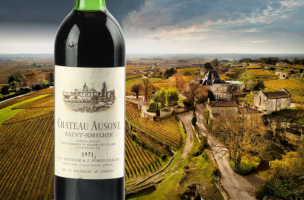
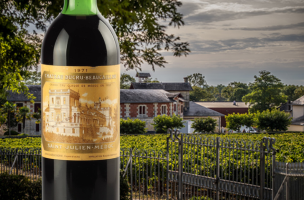
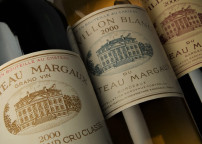
In Bordeaux, 1971 was a respectable and appealing year, born of a harvest reduced by around 40%. Poor Merlot flowering led producers to give their blends more structure, and the resulting concentration particularly benefited the Right Bank. Pomerol is the vintage’s standout appellation, followed by solid Saint-Émilion and elegant Graves wines marked by notes of tobacco and undergrowth. The more uneven Médoc still holds up among its best-known estates. The wines are now fully mature overall: 1971 is a vintage to enjoy now, not to keep waiting.
In Pomerol, La Conseillante embodies the velvety texture and finesse that made the Right Bank’s reputation that year. In Graves, Château Haut-Brion illustrates the area’s aromatic elegance, while in the Médoc, Château Latour remains the most reliable benchmark for longevity. Among the sweet wines, Château d'Yquem and the best wines of Sauternes and Barsac benefited from excellent noble rot — botrytis, the fungus that concentrates the sugars and gives these wines their richness. These sweet wines are among the most reliable of the Bordeaux vintage.
Aging potential: Pomerol and sweet wines remain the safest choices; for Médoc reds, choose bottles with impeccable fill levels and open them soon.
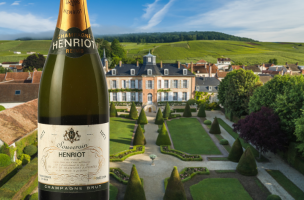
Champagne experienced a turbulent growing season in 1971 — spring frosts, storms and August hail — before a warm, dry September saved the harvest and produced grapes of fine quality. In a sign of confidence, the major houses widely declared the vintage and released their prestige cuvées. With production volumes still modest, these Champagnes are now rare and sought after by lovers of aged bubbly. Well stored, they offer a mature, mellow palate with complex aromas of dried fruit and pastry.
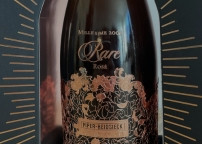
Most of the year’s prestige cuvées were declared as vintage Champagnes, including Dom Pérignon 1971, an emblem of these age-worthy Champagnes. They are bottles for collecting as much as for drinking, best saved for special occasions. Their appeal lies both in their rarity and in the maturity that only years in the cellar can bring. Buyers are best advised to favor bottles with a known storage history.
Aging potential: limited to perfectly stored bottles; open them for the experience of a fully mature Champagne.
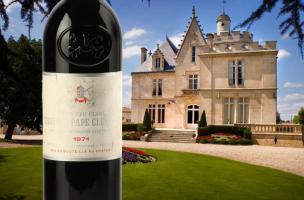
The Rhône was the most uneven region in 1971, falling short of the generous 1970 vintage. The north nevertheless performed well: Hermitage produced successful, dense, well-structured reds, while Côte-Rôtie yielded some lovely bottles. The south was less consistent, with Châteauneuf-du-Pape wines a little rounder and fuller-bodied than the previous year’s. This is a vintage in which the producer matters more than the appellation.
On the northern slopes, a producer such as E. Guigal shows the heights northern Syrah could reach that year. The best Hermitage and Côte-Rôtie cuvées have developed tertiary aromas of leather, spices and candied fruit that give aged Rhône wines their charm. Elsewhere, caution is warranted: stick to the most dependable estates. This is a vintage to explore out of curiosity rather than for long-term aging.
Aging potential: the top Hermitage wines from the north remain the safest choices; elsewhere, open the wines without delay.
The 1971 vintage rewards the curious buyer: a small harvest, outstanding white Burgundies, an exceptional year in Alsace and Bordeaux’s Right Bank now at its peak. It is a year best approached through its strengths — whites first, then Pomerol and sweet wines — while avoiding its more vulnerable areas. Every bottle offered is checked for provenance and condition to help ensure a tasting experience worthy of the vintage. To compare 1971 with neighboring years and refine your choice, explore the SoDivin Vintage Guide.