 /
/ 

















Receive our latest arrivals of 1959 Wine directly in your inbox!
Sign up and be the first to hear about new arrivals.

Would you like to create the composition yourself? Contact us!
 Contact us

The 1959 vintage is remembered as the great sun-drenched vintage of the postwar years, the first truly successful one after the devastating frost of 1956. A hot, dry summer yielded a small crop of very ripe grapes: rich, full-bodied, generous wines with moderate acidity. What sets it apart is its success across the board: Bordeaux, Sauternes, Burgundy, Champagne, and Alsace all enjoyed a great year. The sweet wines of Sauternes were the vintage’s crowning achievement, while the Médoc reds showed remarkable fullness, exemplified by Château Lafite Rothschild and Château d’Yquem. Most of these bottles have now reached their peak: choose them to drink rather than to hold. To see how 1959 compares with other years of its era, consult our Vintage Guide.
Read moreFilter
Products (11)
Sign up and be the first to hear about new arrivals.
The 1959 vintage owes its reputation to an exceptionally hot, dry year—the first fully successful one after the frost of 1956. The grapes ripened thoroughly, producing rich, full-bodied, generous wines with moderate acidity. This sun-drenched character appears in almost every region: it is one of the rare years in which Bordeaux, Sauternes, Burgundy and Champagne all excelled. Careful selection is still important, however, as quality was somewhat less consistent than in 1961, a more reliable year in Bordeaux. A dependable estate such as Château Coutet illustrates the balance of richness and freshness that makes the great 1959 wines so special.
Yes, provided you choose carefully. A 1959 wine has lived through nearly seven decades: it makes a meaningful gift to mark a birth year, a wedding anniversary or another important date. Most wines from this vintage are at their peak, so they can be opened without waiting, provided the bottle has been stored well. The sweet wines and finest reds offer the best chance of enjoyment at this age. Every bottle offered in our cellar is assessed, inspected and carefully stored, giving you confidence when buying a wine of this age.
For such a ripe vintage, the hierarchy is clear. The sweet wines of Sauternes, shaped by botrytis (“noble rot”), are the most reliable for very long aging, alongside the finest reds of the Médoc and the Right Bank. For reds, it is best to choose the best-preserved Bordeaux classified growths, whose 1959 wines have stood the test of time particularly well. Burgundy offers some beautiful grands crus, but stick to the most dependable estates. Before buying any bottle more than sixty years old, check the fill level, color and condition of the label.
The 1959 vintage holds a special place among the great years of the 20th century: a sun-drenched vintage born of a hot, dry summer that succeeded in almost every region. That generosity has a downside: the wines had moderate acidity and matured early, and most have now reached their peak. Bordeaux and Sauternes lead the way, Burgundy produced one of its legendary vintages, and Champagne enjoyed a success full of vinous character; beyond them, a few rare, age-worthy wines complete the picture. For wine lovers today, 1959 is above all a vintage to enjoy now.
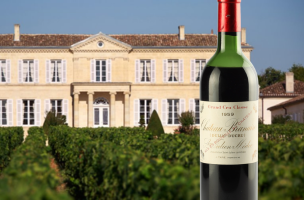
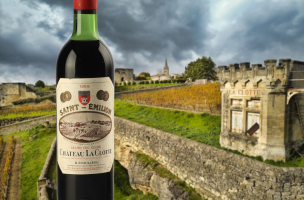
In Bordeaux, 1959 was a great year for red wines. The summer heat brought the grapes to a level of ripeness rare for the time, producing deep, full-bodied, velvety wines whose opulent texture left a lasting impression. The Médoc shows power and length, while Graves and the Right Bank appellations of Pomerol and Saint-Émilion bring roundness and fragrance. The vintage’s moderate acidity made the wines approachable fairly early; six decades later, the best reveal tertiary aromas of leather, light tobacco, truffle, and forest floor. The vintage was genuinely successful but somewhat uneven, making the choice of estate and individual bottle crucial.
The year’s finest reds bear the most prestigious names in Gironde. On the Left Bank, Château Haut-Brion in Graves and Château Montrose in Saint-Estèphe rank among the vintage’s highlights, alongside Château Latour, a benchmark for consistency in ripe vintages. On the Right Bank, Vieux Château Certan and the great Pomerols build on this success with a silkier texture. These bottles are for discerning wine lovers who pay as much attention to each bottle’s condition as to the estate’s reputation.
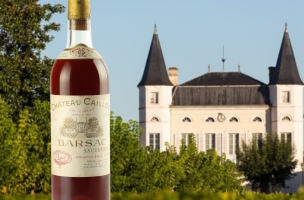
In Sauternes, 1959 was the decade’s finest vintage. The hot, dry summer, followed by favorable late-season weather, allowed botrytis—the “noble rot” that concentrates the grapes’ sugars and aromas—to develop under ideal conditions. The result was sweet wines of great purity, richly concentrated yet sustained by a freshness that has endured remarkably well. With notes of honey, candied apricot, citrus, and wax, these are among the vintage’s most reliable wines for very long aging.
In 1959, Château d’Yquem produced one of its greatest wines of the century; it was also the year the estate launched its dry white wine, Ygrec, which originated with this very vintage. Alongside it, Château de Rayne Vigneau and the Barsac grands crus carry this success forward. Beyond the most prestigious appellations, the neighboring sweet wines of Sainte-Croix-du-Mont, Barsac, and Monbazillac offer more accessible, equally reliable introductions to the aged sweet wines of 1959. To explore the heart of the vintage, the Sauternes appellation remains the natural place to start.
Burgundy shared in the generosity of 1959, making it one of the region’s legendary vintages. Ripe, concentrated grapes produced expansive, warm, fragrant reds and rich whites, though the latter were somewhat less consistent. As in Bordeaux, moderate acidity made the wines appealing fairly early; the greatest have since developed complex tertiary bouquets of forest floor, spice, and candied fruit. In both the Côte de Nuits and the Côte de Beaune, the grands crus have weathered the decades best.
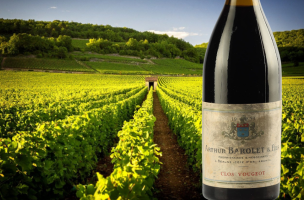
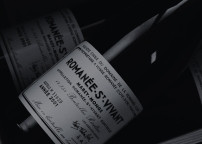
The year’s finest reds are concentrated among the Côte de Nuits grands crus, from Chambertin to Musigny by way of Richebourg. Domaine de la Romanée-Conti remains the benchmark for an outstanding 1959 Pinot Noir, provided its provenance is checked meticulously. The Clos de Vougeot appellation, a large grand cru on the Côte de Nuits, offers another way to discover the richness of the Burgundy vintage.
Champagne also benefited from the sunshine of 1959, one of its great vintages of the century. The grapes’ high level of ripeness produced full-bodied, ripe, vinous wines, a world away from the taut Champagnes of cooler years. Six decades later, the rare bottles still showing well offer tertiary aromas of honey, dried fruit, and coffee, carried by a softer mousse. These are Champagnes for the table, best served less chilled than a young wine to let their complexity shine through.
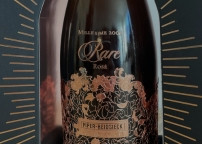
The great Champagne houses marked the year with cuvées that became legendary: in 1959, Dom Pérignon also made its very first rosé, which remains one of the most sought-after collector’s bottles among enthusiasts. Above all, these very old bottles offer curiosity and emotion: they need impeccable provenance and faultless storage to live up to their promise.
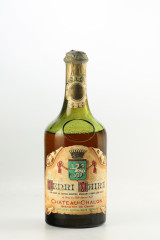
Beyond France’s major wine regions, 1959 lives on in a few rare bottles that embody the appeal of old vintages. The Jura offers the most fascinating: vin jaune, made from the Savagnin grape and aged for several years beneath a veil of yeast, without topping up, before being bottled in a clavelin, the region’s distinctive squat 62-centiliter bottle. This oxidative aging gives it a unique profile of walnut, curry, and spice, and almost limitless longevity. In Piedmont, Nebbiolo produced a classic, well-structured Barolo in 1959, with notes of faded rose, tar, and cherry.
The vin jaune of Château-Chalon, the Jura’s premier appellation for this style, is one of the most enduring wines there is: a 1959 bottle remains a remarkably reliable choice for drinking. The great Barolos of Piedmont, mellowed by time, add to this group of age-worthy wines to open without haste. These rarities offer a dependable and original introduction to aged wines, well beyond the familiar vineyards of Gironde.
The 1959 vintage is for wine lovers seeking the thrill of a great year at its peak: a mature, velvety Médoc, an exceptional Sauternes, a Burgundy grand cru, a Champagne for the table, and, for the curious, the fascinating longevity of a Jura vin jaune. Because these bottles have lived through more than six decades, each is assessed by an expert, checked for authenticity and provenance, then stored under controlled temperature and humidity conditions before shipping. Orders confirmed before 2 p.m. ship the same day, with careful, secure packaging. To compare vintages and refine your choice, consult the SoDivin Vintage Guide.