 /























Receive our latest arrivals of 1954 Wine directly in your inbox!
Sign up and be the first to hear about new arrivals.

Would you like to create the composition yourself? Contact us!
 Contact us

The 1954 vintage bears the mark of a cold, very wet summer: in Bordeaux, harvest did not begin until October 10, with underripe grapes yielding light, diluted reds. It is a lesser vintage in which the appellation and quality of storage matter far more than the year itself. The buying hierarchy is clear: seek impeccably stored Médoc first growths and a carefully chosen Burgundy grand cru; the rest is for the curious. The bottles that have stood the test of time come from the greatest terroirs, such as Château Latour and Château Lafite Rothschild, two Pauillac wines whose structure held up better than average. To place 1954 alongside nearby vintages and compare regions, SoDivin’s Vintage Guide offers a reliable reference before making a choice.
Filter
Products (4)
Sign up and be the first to hear about new arrivals.
No, 1954 was not a great vintage. A cold summer and rainy fall produced diluted red wines in Bordeaux, while Burgundy, though somewhat better off, produced only modest wines. The appeal is therefore limited to a handful of bottles: wines from great terroirs, better equipped to withstand a difficult year, and bottles that have been impeccably stored. An estate such as Château Cheval Blanc on the Right Bank exemplifies the rarer successes that reward careful selection.
For 1954, the choice narrows to the Bordeaux classified growths, the only wines with the substance and consistency this vintage generally lacks. In the Médoc, the first growths of Pauillac and Margaux remain the safest bets, while the Right Bank, in Pomerol and Saint-Émilion, sometimes fared better that year. To compare these appellations vintage by vintage and see how 1954 stands alongside 1953 or 1955, the Vintage Guide remains the most practical resource. Before buying any older wine, check the fill level and the condition of the cork.
Giving someone a wine from their birth year remains a meaningful gesture, even when the vintage is unremarkable: the bottle bears the year, and that is what you are celebrating. For 1954, it is better to choose a bottle from a great terroir with reliable provenance than to look for a power the vintage did not produce. A Médoc first growth in a magnum, a format that ages more slowly, is a sound choice to mark the occasion. The key is to focus on the estate and how the wine has been stored, as these determine the value of a bottle this old.
The 1954 vintage belongs to the run of difficult postwar years. A late spring, cold summer and wet autumn delayed ripening and diluted the grapes, so the year must be judged appellation by appellation, bottle by bottle. More than a vintage to drink, 1954 is now a vintage for collectors and birth-year gifts: buyers choose it for the estate name and the emotion attached to the date, provided storage has been impeccable. The sections below detail, region by region, where the rare successes lie and what to check before buying.
In Bordeaux, 1954 remains a lesser vintage. The cold summer hindered ripening, and September rain swelled grapes that lacked concentration; harvest did not begin until October 10. The resulting reds are light in color and supple, and most should have been drunk long ago. The gap between an ordinary vineyard and a great terroir is therefore wider than in a good year: only the most dependable sites produced wines that have held up. The most reliable bottles come from the Médoc’s first growths, particularly in Pauillac.
Among them, Château Margaux and the great Pauillac estates produced the best-structured bottles, capable of lasting several decades when properly stored. On the Right Bank, the year was sometimes a little kinder: Pomerol and Saint-Émilion had a few successes, including a Cheval Blanc harvested as early as October 5. The sweet wines of Sauternes, hampered by a small crop of uneven quality, are best left to knowledgeable enthusiasts. The rule remains simple: aim for the very top of the hierarchy, check provenance and fill level, and regard these wines as collectibles.
Aging potential: most 1954 reds are in decline; only well-preserved Médoc first growths remain of interest. Open them soon or give them as birth-year bottles. Check the fill level and the condition of the cork.
Burgundy weathered the year better than Bordeaux, though it did not produce a great vintage. The same cool, wet summer yielded rather thin Pinot Noir wines and a generous harvest by volume. The whites lack richness and the reds depth, but the best Côte de Nuits vineyards retained freshness and clear fruit. As in Bordeaux, the year rewarded terroir and skill more than nature’s generosity. Focus, then, on grand crus and estates whose meticulous work made the difference.
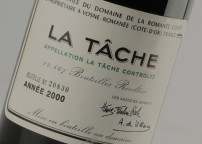
At the pinnacle, Domaine de la Romanée-Conti produced its Vosne-Romanée cuvées in 1954—Romanée-Conti, Richebourg and La Tâche—which remain rarities prized by collectors more for their origins than for the vintage’s power. In Morey-Saint-Denis, Clos de Tart from Mommessin shows what the year could achieve at grand cru level: a delicate, mature wine to open for a special occasion. Elsewhere, caution is warranted, as many bottles have declined. Here again, provenance and storage make all the difference.
Aging potential: this vintage should be drunk now; plan to open well-preserved Côte de Nuits grand crus soon. Favor bottles with a documented storage history.
In the Rhône Valley, 1954 was an uneven vintage. The northern area, with better drainage and greater familiarity with cool summers, produced Syrah wines that were more respectable than the year’s average, while the more variable South often yielded diluted wines. As elsewhere in 1954, success depended more on the producer and care in winemaking than on the vintage itself. Enthusiasts should look to the North first.
The hillside terroirs of Hermitage and Côte-Rôtie, on their granite slopes, offer the most structured wines with the greatest capacity to last. Surviving bottles are rare collector’s curiosities: choose them for their historical interest, accepting the year’s inherent variability. Here more than elsewhere, condition matters more than the name on the label.
Aging potential: best left to the curious and to collectors; favor the Northern Rhône and check the fill level carefully before buying.
In Champagne, the major houses did not declare 1954 as a vintage. The abundant harvest yielded grapes of average quality that went largely into non-vintage blends. There is therefore virtually no vintage 1954 Champagne to seek out, unlike declared years such as 1952 or 1955. Anyone seeking Champagne tied to a birth year should bear this in mind before starting their search.
Anyone set on a 1954 bottle should look for the very few small-production cuvées, treating them as collectibles rather than Champagnes to drink. For a celebratory gift, it is often wiser to choose a great house from a year officially declared as a vintage, even if that means moving a few years away from 1954. The world of age-worthy Champagnes is, in any case, worth exploring to understand what sets an exceptional vintage apart.
Aging potential: 1954 was not declared a vintage in Champagne; for an exceptional bottle, choose an officially declared vintage and check its freshness before buying.
1954 can be summed up in one sentence: a lesser vintage bought for the estate and the date, not for its power. The right approach is to seek the very best in each appellation, insist on clear provenance and impeccable storage, and view these wines as witnesses to an era. To compare 1954 with nearby vintages and identify, year by year, those truly suited to aging, SoDivin’s Vintage Guide remains the best place to start before buying.