 /
/ 





















There are no products here at the moment.
You can use the search bar or menu to find others, or send us a message.
Back to homepage Contact us
Would you like to create the composition yourself? Contact us!
 Contact us

Long overshadowed by the 2000 vintage, 2001 is nevertheless one of the decade's great years—if you know where to look. Late-season rains that complicated the red harvest created ideal conditions for botrytis, or “noble rot,” in Sauternes: its sweet wines rank among the finest of the modern era. For reds, the Right Bank, led by Saint-Émilion and Pomerol, outshines a more classic, structured Médoc, while the Northern Rhône enjoyed a great year for aging in both red and white. Château d'Yquem reached legendary heights, and Château Ausone is considered the red wine of the year. To place 2001 among the great vintages, turn to our Vintage Guide.
Read moreYou can use the search bar or menu to find others, or send us a message.
Back to homepage Contact usSign up and be the first to hear about new arrivals.
Few vintages have suffered so much by comparison with their neighbor: born in the shadow of the celebrated 2000, 2001 was long underestimated. Yet it is a successful year of contrasts, with each region telling its own story. Late-season rains, unfavorable for later-ripening reds, triggered exceptional botrytis in Sauternes; on the Right Bank, early-ripening Merlot was harvested before the bad weather; and in the Northern Rhône, Syrah produced classic wines built to age. Understanding 2001 means choosing carefully, region by region.
If 2001 is remembered for one thing, it should be its sweet wines. Autumn brought ideal conditions for noble rot: damp mornings followed by sunny, breezy afternoons concentrated the berries without damaging them. The resulting wines have rare richness and luscious sweetness, supported by acidity that keeps them fresh and lively. Critics widely regard it as one of the greatest Sauternes vintages of the modern era. Sauternes is the year's leading appellation, followed by a slightly more understated but equally superb Barsac.
At the pinnacle, Château d'Yquem produced a legendary wine, while Rieussec, Suduiraut and Guiraud rank among the year's finest successes. In Barsac, Coutet and Doisy-Daëne stand out. The year's offerings center on the classified growths of the Sauternes area, such as Château de Rayne Vigneau, whose 2001 combines richness and finesse.
Aging potential: the great sweet wines are already delicious but will last for several decades; a reliable choice to serve as an aperitif or with foie gras, or to cellar patiently.
On the Right Bank, the earlier-ripening Merlot was largely harvested before the late-September rains. That saved the vintage in Pomerol and Saint-Émilion, where September was even one of the driest on record. The wines are fragrant and balanced, less opulent than the 2000s but showing beautiful fruit purity; several now prove better than their counterparts from the previous vintage. Pomerol has the advantage of consistency, while the more variable Saint-Émilion offers exceptional bottles from its best terroirs.
In Saint-Émilion, Château Pavie produced one of the year's most acclaimed wines, dense and flavorful. In Pomerol, the leading terroirs around Pétrus confirm Merlot's success in 2001, alongside sought-after estates such as Lafleur and L'Église-Clinet. These reds are both approachable and genuinely capable of aging, offering a relatively affordable introduction to the Right Bank's greatest names.
Aging potential: most great Right Bank wines are at their peak; enjoy them now, decanting the more structured bottles, or continue to cellar those from the finest estates.
On the Left Bank, wetter conditions late in the season took a greater toll: the later-ripening Cabernets sometimes lacked the ripeness of truly great vintages. The result is a classic style defined more by structure—tannins and acidity—than by exuberant fruit. That focused, savory profile is precisely what lovers of traditional Bordeaux seek. The best estates in the Médoc, Graves and Pessac-Léognan distinguished themselves through rigorous selection in both vineyard and cellar.
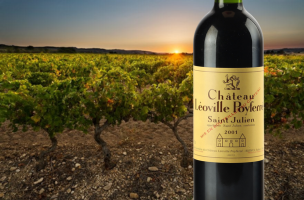
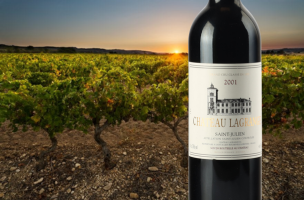
Among the Left Bank successes, Château Léoville Las Cases in Saint-Julien exemplifies the year's precise, distinguished style, while Château Montrose in Saint-Estèphe confirms its reputation for age-worthy wine. In Pessac-Léognan, the great terroirs produced balanced reds and vibrant dry whites. These are solid wines, still accessible relative to their standing, that offer a way to explore the Médoc's classified growths without waiting decades.
Aging potential: the great 2001 Médoc wines are entering an excellent drinking period and will hold for another good decade; they benefit from decanting.
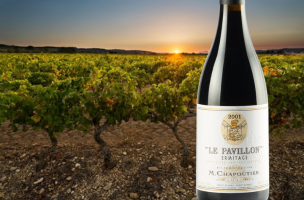
The Northern Rhône is 2001's pleasant surprise. After a difficult end to summer, a persistent north wind dried and concentrated the grapes before the Syrah harvest. The wines are classic, built on ripe tannins and a freshness that promises long development. Côte-Rôtie, Hermitage and Cornas all succeeded; among both reds and whites, white Hermitage achieved a rare balance of richness and vitality. Many local winemakers even prefer this year to the 2000 vintage.
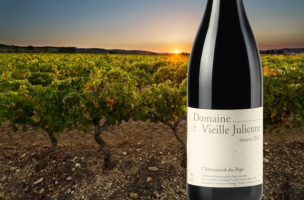
The 2001 vintage also marked the debut of the Ermitage Ex-Voto from Domaine Guigal, the estate's first Hermitage in both red and white—a benchmark for the appellation that year. In Cornas, Auguste Clape's cuvées embody the vintage's purity and aging potential, while in white Hermitage, Jean-Louis Chave produced a wine of remarkable vibrancy. The Southern Rhône, a step behind, offers good Châteauneuf-du-Pape from the best-exposed terroirs.
Aging potential: the great Northern Rhône reds are still young and will benefit from more time; Hermitage whites are already a pleasure to drink. Favor the finest estates.
In Burgundy, 2001 was a cool, uneven year that calls for discernment. With more favorable harvest weather, the Côte de Nuits clearly outperformed the Côte de Beaune for reds: the best wines, from around Gevrey-Chambertin and Nuits-Saint-Georges, offer pure, classic Pinot Noir with fine tannins. The whites, supported by lively acidity, are fresh and elegant, perfect for the table. This is a vintage for enjoyment rather than very long aging.
Look to the most consistent climats among the Burgundy grands crus, where careful selection made the difference. For whites, a benchmark estate such as Domaine des Comtes Lafon in the Côte de Beaune illustrates the vibrancy and precision the year allowed on the best terroirs. This is Burgundy to drink now, chosen estate by estate rather than on the vintage's reputation.
Aging potential: the reds and whites are in their drinking window and should be enjoyed sooner rather than later; save the finest Côte de Nuits climats for patient wine lovers.
Choosing a 2001 means looking first to its extraordinary sweet wines and Right Bank reds, without overlooking the great Northern Rhône Syrahs or Burgundy's vibrant whites. The vintage rewards thoughtful buying, region by region, more than simply reaching for a prestigious name. To compare it with neighboring years and find the right bottle, the SoDivin Vintage Guide covers each region year by year. Our bottles are inspected, their provenance traced and their storage carefully monitored before prompt shipping on the date you choose—ideal for planning a birth-year gift, with an optional wooden gift box and personalized message.