 /



















There are no products here at the moment.
You can use the search bar or menu to find others, or send us a message.
Back to homepage Contact us
Would you like to create the composition yourself? Contact us!
 Contact us
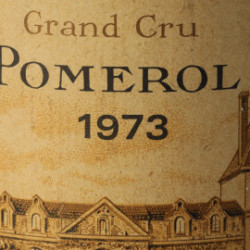
The 1973 vintage is best understood by wine color. A very abundant harvest followed by late-season rain produced light, supple Bordeaux reds: charming, but best opened sooner rather than later, with the most convincing examples coming from estates that sorted rigorously. Burgundy followed a similar pattern, with diluted reds but far more successful whites. The year’s real triumph was elsewhere: in Champagne, where almost every house declared the vintage and produced cuvées with remarkable longevity, led by Dom Pérignon. The year 1973 also marked a milestone in Médoc history: Mouton Rothschild was elevated to Premier Cru Classé status, celebrated with a label designed by Picasso. To explore each region and wine color in this vintage, browse our Vintage Guide.
You can use the search bar or menu to find others, or send us a message.
Back to homepage Contact usSign up and be the first to hear about new arrivals.
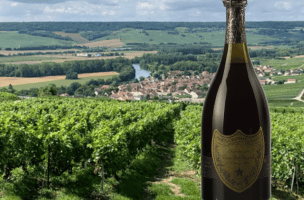
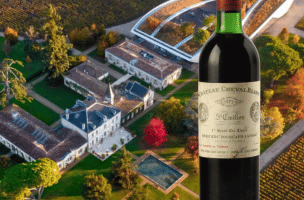
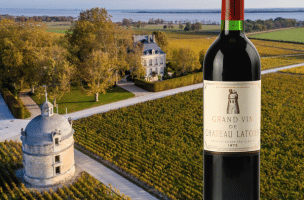
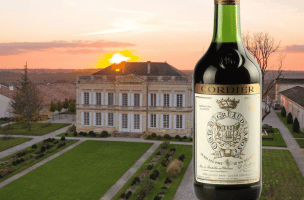
A few GREAT WINES from 1973...
It depends on the type of wine and the region. In Bordeaux, a plentiful harvest and late-season rain produced light, supple reds that have already mellowed. They are pleasant but were not built for extended aging: the best came from estates that sorted their grapes rigorously in Saint-Julien, Saint-Estèphe, Pomerol, and Graves. The year’s standout was Champagne, generous and ripe, with almost every house declaring a vintage. In Burgundy, the whites have held up best. Among the year’s most successful wines, Château Latour remains one of the most reliable choices.
Yes, provided you choose the bottle carefully. Someone born in 1973 turns 53 in 2026—not a milestone birthday, but giving a bottle from their birth year still carries powerful symbolism. Given the character of the 1973 vintage, two reassuring options are a Champagne from that year, made to last, or a well-preserved Bordeaux grand cru from one of the best appellations. With wines this old, provenance and fill level make all the difference between a tired bottle and a memorable experience. Our bottles are inspected and ready to give.
Look for terroirs that best resisted dilution and estates that maintained exacting standards. Saint-Julien, Saint-Estèphe, Pomerol, and Graves account for the successes, ahead of a more uneven Médoc. Among the year’s Bordeaux classified growths, the best-preserved bottles still offer delicate reds with ripe fruit and tertiary notes. Above all, choose a bottle with a good fill level and impeccable storage history, as a light red does not weather poor storage well. These are wines to drink now, more for pleasure and sentiment than for further aging.
1973 is a vintage of contrasts, with success depending above all on the region and the wine’s color. A hot summer had raised hopes, before late-season rains swelled the grapes and left the reds lighter. The picture is clear: supple, approachable reds in both Bordeaux and Burgundy, driven by fruit rather than structure, while whites and Champagne made far better use of the year. For buyers, the priorities are clear: Champagne first, followed by the best carefully selected Bordeaux reds and Burgundy whites; the rest are largely curiosities.
Bordeaux produced one of its most abundant harvests of the decade in 1973, but rain then diluted the water-swollen grapes. The resulting reds were light, with charming fruit but a delicate tannic structure, made for early drinking rather than aging. Results varied considerably from one estate to another: only teams that sorted rigorously made clean, enjoyable wines. The successes are concentrated in Saint-Julien, Saint-Estèphe, Pomerol and Graves, where drainage and selection helped limit dilution.
On the Right Bank, Château Cheval Blanc is among the year’s most accomplished wines from Saint-Émilion, while in Pomerol, Château La Conseillante offers a supple, fragrant palate. Also in Saint-Émilion, Château Figeac retains the finesse and length that define its style. On the Left Bank, Château Gruaud Larose exemplifies Saint-Julien’s success with a classic, graceful red. Beyond these names, the best-preserved Médoc wines confirm that in Bordeaux, 1973 favored well-exposed terroirs and careful winemaking.
Aging potential: These wines have reached maturity and should be opened without delay. Check the fill level and provenance before buying, as light reds do not fare well with poor storage.
Champagne is where 1973 shines brightest. After a hot, dry summer followed by September rain, yields were generous, but quality was strong enough that almost all the major houses declared the vintage. The wines combine roundness, balance and a freshness that has given them unusual longevity for the appellation. The best cuvées, kept on their lees for many years, have developed mellow notes of brioche, dried fruit and candied fruit without losing their vibrancy.
Among the wines that stand out from this great year, Pommery offers a precise, elegant vintage Champagne true to the house’s finely honed style. More broadly, our selection of 1973 Champagnes is the surest way to explore the vintage: mature, ready-to-drink bottles suited to both a special dinner and a memorable gift.
Aging potential: The best-preserved bottles remain lively and refined. Prioritize impeccable provenance, as older Champagne is sensitive to storage conditions and cork quality.
In Burgundy, a hot summer had encouraged ripeness before a very rainy end to the season. High yields diluted the reds, leaving them supple but lacking concentration and now in decline. The whites fared much better: pleasant, supple and well-defined, they produced some lovely bottles, particularly around Puligny. For buyers, the approach to this vintage is simple: consider the wine’s color first, then the producer.
The golden rule for 1973 is to seek out the best winemakers, the only ones to master a difficult year. Whites are the better choice, and the most reliable names in Burgundy are where to look for bottles that still show life. The more fragile reds are primarily a matter of curiosity and demand impeccably stored bottles.
Aging potential: Drink whites from the best estates while they retain some freshness; reserve reds for lovers of old wines, and only in impeccable bottles.
The Rhône Valley produced a satisfactory vintage, though not an outstanding one. Here too, rain disrupted a promising season, yielding relatively light, appealing wines built more on fruit than power. There were nevertheless some successes in Côte-Rôtie, Hermitage and Châteauneuf-du-Pape, from estates that managed to preserve the wines’ substance. These are wines for immediate enjoyment, to open without hesitation.
In the southern valley, the best Châteauneuf-du-Pape wines of the year retain a pleasant, spicy roundness, while the north offers a few delicate Syrahs from its most conscientious winemakers. As elsewhere with 1973, the choice of producer and the bottle’s condition matter more than the appellation’s name.
Aging potential: Drink these wines now while their fruit remains; there is little room for further development. Check the fill level before buying.
Buying a 1973 wine from SoDivin gives you access to older bottles selected for their provenance, fill level and drinking appeal. In this vintage, where color is key, our selection brings together the year’s outstanding Champagnes, the best carefully selected Bordeaux reds and a few intriguing finds from Burgundy and the Rhône. Whether you’re looking for a ready-to-drink bottle for a special dinner or a birth-year wine to give as a gift, our Vintage Guide helps you identify the most successful appellations of 1973. Same-day shipping for orders placed before 2 p.m., secure packaging and systematic authentication accompany every order.