1953 Wine

1953 Wine

Create an alert

The 1953 vintage was shaped by a warm, luminous summer, prolonged by September rains that delayed the harvest without harming ripeness. The result is wines of immediate charm: in Bordeaux, supple, fragrant, and silky reds, now fully mature, rather than a year of power. The hierarchy is clear — the Médoc and the Right Bank produced the finest results, ahead of well-balanced Sauternes sweet wines, a refined Burgundy, and a rare vintage Champagne. Two pinnacles define the year: Château Margaux 1953, often cited as the finest first growth of the harvest, and Château Cheval Blanc 1953, a great success from the Right Bank. To place 1953 among the years of its era, consult our Vintage Guide.

  Read more
Read more
Create an alert

Filter

Products (3)

Filter

Receive our latest arrivals of 1953 Wine directly in your inbox!

Sign up and be the first to hear about new arrivals.

The 1953 vintage: a year of charm, silkiness and longevity

The 1953 vintage holds a special place in the postwar years: a beguiling year in which finesse prevailed over power. A warm, sunny summer brought healthy grapes to full ripeness; the often-dreaded September rains merely delayed what became one of the decade’s latest harvests, without compromising quality. The result was supple, fragrant wines, appealing from an early age yet capable of standing the test of time. In Bordeaux, it is the century’s great vintage of charm, one that enthusiasts often contrast with more powerful years. Elsewhere, Burgundy produced balanced Pinot Noirs, Champagne one of its fine declared vintages, and the Douro superb colheitas.

Bordeaux 1953 — Silky grands crus, with Margaux and Cheval Blanc at the summit

In Bordeaux, 1953 is the quintessential vintage of charm. The warm, sunny season yielded ripe, healthy grapes, and the September rains delayed the harvest, chiefly allowing growers to wait for just the right balance. The resulting reds were supple, aromatic and silky, without the austere tannins of classic age-worthy vintages. Seven decades later, the best are at full maturity, with aromas of candied fruit, cedar, light tobacco and forest floor, carried by the caressing texture for which the year is renowned.

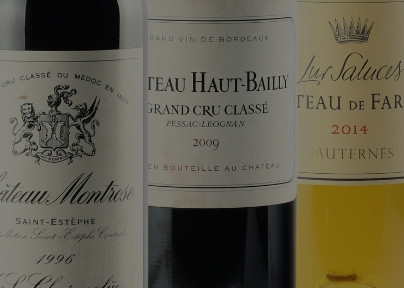
Château Margaux 1953 is regularly cited as the finest first growth of the harvest, a consummate expression of the appellation’s finesse. On the right bank, Cheval Blanc and Petrus produced full, deep wines—Petrus 1953 ranks among the year’s most complete bottles. In Pauillac, Château Mouton Rothschild and Château Lafite Rothschild are among the vintage’s most sought-after names, while Château Latour attests to the Médoc’s consistency. It is a group of wines defined by elegance, to be chosen bottle by bottle.

Sauternes 1953 — Gilette and the patiently matured sweet wines of Sauternes

In Sauternes, 1953 produced fine sweet wines: favorable autumn weather allowed botrytis, the “noble rot” that concentrates sugar and richness in the grapes, to develop. The year’s wines combine richness and freshness, with notes of honey, candied citrus and apricot, and the balance that has carried them through the decades. For today’s enthusiast, they are among the vintage’s most reliable wines.

The year remains emblematic thanks to Château Gilette, a Sauternes estate that ages its wines for many years in tanks before bottling. Its 1953 is a textbook example of a patiently matured sweet wine, with a startling youthfulness. Alongside it, Château d'Yquem demonstrates how the greatest terroirs expressed themselves that year, with mellow richness and a long finish.

Burgundy 1953 — Delicate Pinot Noirs, a year of balance

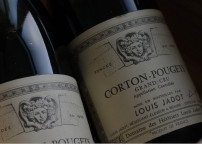
In Burgundy, 1953 was a fine year, favoring finesse over weight. A steady growing season allowed Pinot Noir to ripen evenly, producing reds with pure fruit, a delicate structure and fresh acidity. They embody the style of Burgundy’s great balanced vintages: intricate, precise wines that are easy to drink, the best of which, from the Côte de Nuits, have shown surprising longevity.

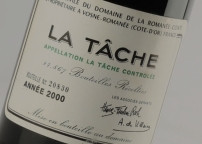
In a year like this, the skill of the estate makes all the difference. Domaine de la Romanée-Conti 1953 is among the legendary wines of the postwar years, while Domaine Armand Rousseau 1953, from Gevrey-Chambertin, shows the same pursuit of purity and distinction—bottles worthy of the attention of collectors of very old Burgundies.

Champagne 1953 — One of the decade’s great declared vintages

For Champagne, 1953 was one of the fine postwar vintages. Full ripeness allowed many houses to declare the year, a rare occurrence, and produce balanced vintage cuvées whose acidity supported their longevity. Today, these mature wines show aromas of dried fruit, honey, brioche and toast, with bubbles that have softened but remain lively and a notably wine-like texture.

Moët & Chandon Brut Impérial 1953 offers an introduction to these collectible Champagnes, while houses known for age-worthy wines, such as Krug, demonstrate the longevity of the year’s great cuvées. These bottles are for enthusiasts of old Champagne who pay close attention to provenance and storage history.

Buy a 1953 wine from SoDivin.

Choosing a 1953 wine means choosing charm: a year when Bordeaux’s great terroirs produced silky, fragrant reds, now at full maturity, alongside balanced Sauternes sweet wines, fine Burgundy and superb Douro colheitas. It is also an opportunity to give a rare and meaningful birth-year gift.

Read more