 /


















Receive our latest arrivals of 1929 Wine directly in your inbox!
Sign up and be the first to hear about new arrivals.

Would you like to create the composition yourself? Contact us!
 Contact us

1929 ranks among the greatest years of the 20th century, and the most charming of all: where 1928 produced tannic, austere wines, a hot, dry summer ripened exceptionally rich grapes, yielding opulent, round wines that appealed even in their youth. Its success extended across every region — Bordeaux, Sauternes, Burgundy, Champagne and the Rhône — making it one of the few universally great vintages. Start with its finest wines, from Graves and the great sweet wines, before seeking out its rarer bottles. On the left bank, Château Haut-Brion produced one of the year’s finest wines in Pessac; on the right bank, Château Cheval Blanc embodies its richness in Saint-Émilion, with an alcohol level unprecedented for the time. To see where 1929 stands among the great years of its century, consult our Vintage Guide.
Filter
Products (2)
Sign up and be the first to hear about new arrivals.
1929 doit sa réputation à un été chaud et sec, l'un des plus secs de son époque, qui a porté les raisins à une maturité exceptionnelle. Il en est né des vins riches, ronds et parfumés, immédiatement séduisants là où le 1928 restait sévère dans sa jeunesse. Sa singularité tient à sa réussite dans toutes les régions, ce qui est rare : Bordeaux, Sauternes, Bourgogne, Champagne et Rhône ont tous signé de grandes bouteilles la même année. À Pessac, Château La Mission Haut-Brion en est l'un des témoins les plus célèbres, longtemps tenu pour l'un des sommets du siècle. On avait cru ces vins trop opulents pour durer : près d'un siècle plus tard, les meilleurs flacons démentent encore ce pronostic.
Oui, pour un très grand flacon de garde. 1929 figurant parmi les millésimes les plus prestigieux du siècle, une bouteille de cette année constitue un cadeau d'exception pour une personne née en 1929 — un centenaire à préparer — ou pour un anniversaire de mariage marquant. Le choix va du liquoreux de Sauternes, qui traverse le temps avec grâce, aux grands rouges de Bordeaux pour les budgets plus ambitieux. Découvrez l'ensemble de nos flacons par année de naissance. Chaque bouteille est expertisée, son niveau et sa provenance contrôlés avant l'envoi.
Oui, à condition de choisir un flacon bien conservé. La plupart des 1929 ont dépassé leur apogée, mais les meilleurs rouges de la rive gauche et de Pomerol, comme les grands liquoreux de Sauternes, gardent une vraie présence quand le niveau, la couleur et l'étiquette sont irréprochables. C'est là tout l'intérêt du millésime : des vins que l'on disait trop charmeurs pour durer et qui tiennent encore. Comme pour tout très vieux flacon, la bouteille prime sur le millésime : vérifiez niveau et provenance avant l'achat. Les grands crus classés de Bordeaux les mieux conservés demeurent, avec les grands Sauternes, les valeurs les plus sûres de cette année presque centenaire.
1929 is one of the benchmark years of the 20th century, and perhaps its most appealing. A hot summer and pronounced drought concentrated exceptionally ripe grapes, harvested in bright sunshine from late September onward. The result was rich, full-bodied, fragrant wines with immediate charm — the opposite of the powerful but austere 1928s in their youth. Its distinguishing feature is its success across every region, from Bordeaux to the Rhône, placing 1929 among the very few universally great vintages. It is a vintage for enthusiasts: begin with its finest wines — Graves and the great sweet wines — before exploring its rarest bottles.
On the left bank, 1929 produced full, velvety reds in which rich fruit takes precedence over sheer tannic power. Summer heat rounded out their structure, yielding wines that were generous from the start yet sufficiently structured to endure for decades. Graves was the year’s standout: its deep, refined style made it the left bank’s greatest success in 1929. The Médoc followed with dense, aromatic first growths, now full of tertiary notes of leather, tobacco and forest floor.
In Pessac, Haut-Brion 1929 is one of the benchmark wines of the vintage, long cited among the greatest Bordeaux ever made; neighboring Château La Mission Haut-Brion is its other legend, more full-bodied and hailed as one of the year’s finest wines. In the Médoc, Château Latour in Pauillac and Château Margaux rank among the left bank’s finest successes in this great year of charm.
Cellaring potential: the best-preserved Graves and first growths remain suitable for drinking; check the fill level and provenance before buying.
On the right bank, Merlot and Cabernet Franc reached spectacular ripeness in 1929. The wines are round, warm and sensual, with a dense richness that made the vintage famous in Pomerol and Saint-Émilion. Alcohol levels unprecedented for the time reflect that richness without weighing down the best wines, which retain a lovely underlying freshness. It is one of the most delicious expressions of 1929.
Cheval Blanc 1929 leads the way in Saint-Émilion: tiny yields and extraordinary richness made it a legendary wine that remains vibrant today. In Pomerol, Château Pétrus produced a powerful, velvety wine, one of the year’s most sought-after bottles, while Château La Conseillante offers a more floral, silky interpretation. Château Latour à Pomerol continues this success in a dense, profound style.
Cellaring potential: the finest Pomerol and Saint-Émilion wines from the best sites still have real presence; choose a bottle with a well-documented history and decant briefly.
In Sauternes and Barsac, 1929 ranks among the fine years for sweet wine. Summer heat followed by favorable late-season conditions allowed botrytis — the “noble rot” that concentrates the grape must — to develop well. The wines combine generous sweetness with acidity that has given them remarkable longevity: nearly a century later, the best bottles retain rare aromatic precision, with notes of honey, candied apricot and orange peel. Along with Graves, they offer the most reliable introduction to the vintage.
Château d’Yquem 1929 leads the appellation — one of the greatest sweet wines ever produced on this terroir. In Barsac, Château Climens produced a wine of remarkable purity, while Château Coutet carried that success forward in a livelier, more finely etched style. These bottles are among the year’s most reliable for drinking.
Cellaring potential: the great 1929 Sauternes are among the most reliable wines of the era; serve chilled and savor over an extended tasting.
Burgundy experienced a rare combination in 1929: a plentiful harvest AND exceptional quality, an unusual pairing. Favorable weather throughout the year produced tender, balanced Pinot Noirs with deep color, among the region’s finest of the century. More supple and approachable than the preceding 1928s, these reds combine generous fruit with finesse and an easy-drinking quality that is part of their charm.
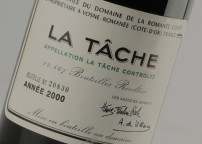
Domaine de la Romanée-Conti is among the leading producers of the vintage in the Côte de Nuits, with grand crus that remain vibrant today. The great Chambertins, foremost among them those of Domaine Armand Rousseau, rank among the year’s most accomplished reds. Now exceedingly rare, these bottles demand impeccable provenance.
Cellaring potential: limited to the finest grand crus in perfect condition; delicate in character, so drink without delay.
1929 was also a success beyond Bordeaux. In Champagne, it is considered one of the great years of the early 20th century: over time, its vintage cuvées developed complex, vinous notes of dried fruit, honey and toast, supported by a long cellaring potential. In the Rhône Valley, the north produced ripe, structured Syrah worthy of Hermitage’s reputation, while the south benefited from warm, generous Grenache.
In Champagne, the 1929 vintage cuvée from Bollinger ranks alongside Louis Roederer’s among the era’s most sought-after sparkling wines. In the northern Rhône, Hermitage La Chapelle from Paul Jaboulet Aîné carries on the great tradition of age-worthy Syrah. The few surviving bottles from these two regions are now collectors’ items.
Cellaring potential: 1929 Champagnes and Hermitage wines are primarily collectors’ items; reserve tasting for bottles with a well-documented history.
Choosing a 1929 wine means acquiring one of the 20th century’s most appealing vintages — a year of richness and charm that succeeded in every region, in stark contrast to the tannic austerity of 1928. The safest starting points are the great sweet wines of Sauternes and the wines of Graves, while Pomerol, Saint-Émilion and the left bank’s grand crus appeal to enthusiasts seeking rare bottles. Every bottle is assessed and checked — fill level, label and provenance — before shipping. Consult the SoDivin Vintage Guide to see where 1929 stands among the great years of its century.