 /
/ 
















There are no products here at the moment.
You can use the search bar or menu to find others, or send us a message.
Back to homepage Contact us
Would you like to create the composition yourself? Contact us!
 Contact us

The 1953 vintage was shaped by a warm, luminous summer, prolonged by September rains that delayed the harvest without harming ripeness. The result is wines of immediate charm: in Bordeaux, supple, fragrant, and silky reds, now fully mature, rather than a year of power. The hierarchy is clear — the Médoc and the Right Bank produced the finest results, ahead of well-balanced Sauternes sweet wines, a refined Burgundy, and a rare vintage Champagne. Two pinnacles define the year: Château Margaux 1953, often cited as the finest first growth of the harvest, and Château Cheval Blanc 1953, a great success from the Right Bank. To place 1953 among the years of its era, consult our Vintage Guide.
Read moreYou can use the search bar or menu to find others, or send us a message.
Back to homepage Contact usSign up and be the first to hear about new arrivals.
The 1953 vintage holds a special place in the post-war era: that of a year of seduction, where finesse prevails over power. A warm, luminous summer brought healthy grapes to fine ripeness; the September rains, so often feared, merely delayed the harvest to among the latest of the decade, without undermining quality. The result was supple, fragrant wines, approachable very early yet capable of standing the test of time. In Bordeaux, it is the great year of charm of the century, the one that enthusiasts readily set against vintages of power. Elsewhere, Burgundy delivered well-balanced pinots, Champagne one of its finest declared vintages, and the Douro superb colheitas.
In Bordeaux, 1953 is the quintessential vintage of charm. The warm, sunny season yielded ripe, healthy grapes, and the September rains, by delaying the harvest, simply allowed the perfect balance to be reached. The reds emerged supple, aromatic, and silky, without the tannic austerity of classic keeping vintages. Seven decades on, the finest are at perfect maturity, offering aromas of candied fruit, cedar, blonde tobacco, and undergrowth, carried by a caressing texture that accounts for the year's entire reputation.
Château Margaux 1953 is regularly cited as the finest first growth of the harvest, a fully realized expression of the appellation's finesse. On the Right Bank, Cheval Blanc and Petrus produced full, deep wines — Petrus 1953 ranks among the most complete bottles of the year. In Pauillac, Château Mouton Rothschild and Château Lafite Rothschild are among the most sought-after signatures of the vintage, while Château Latour testifies to the consistency of the Médoc. A collection where elegance reigns supreme, to be chosen bottle by bottle.
In the Sauternais, 1953 delivered beautiful sweet wines: a favourable autumn allowed botrytis — the "noble rot" — to develop, concentrating the sugars and richness of the grapes. The wines of the year combine richness and freshness, with notes of honey, candied citrus, and apricot, and the balance that has allowed them to endure across the decades. It is one of the most reliable families of the vintage for today's enthusiast.
The year remains iconic thanks to Château Gilette, a Sauternes estate that ages its cuvées for many years in tank before bottling: its 1953 is a textbook example of a patiently matured sweet wine of disconcertingly youthful character. Alongside it, Château d'Yquem demonstrates the capacity of the greatest terroirs to express themselves in this vintage, in a register of melted richness and great length.
In Burgundy, 1953 was a fine year, in a register of finesse rather than substance. A consistent season allowed the pinot noir to ripen harmoniously, producing reds with pure fruit, a supple structure, and fresh acidity. This is the very style of Burgundy's great years of balance: wines of lace, precise and digestible, the finest of which, in the Côte de Nuits, have retained a surprising vitality.
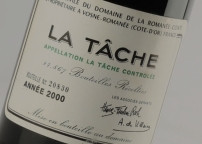
In a year such as this, the winemaker's hand makes all the difference. The Domaine de la Romanée-Conti 1953 ranks among the legendary cuvées of the post-war era, and the Domaine Armand Rousseau 1953, in Gevrey-Chambertin, illustrates the same pursuit of purity and breed — bottles that deserve the attention of collectors of very old Burgundies.
Champagne made 1953 one of its finest post-war vintages. Outstanding ripeness allowed many houses to declare the year — a rare occurrence — and to produce well-balanced vintage cuvées underpinned by an acidity that ensured their longevity. Today, these evolved wines develop aromas of dried fruit, honey, brioche, and toasted bread, on a subdued yet still lively bubble and a remarkably vinous texture.
The Moët & Chandon Brut Impérial 1953 offers an entry point into these collector's Champagnes, while the great keeping houses such as Krug attest to the longevity potential of the finest cuvées of the year. These bottles are reserved for lovers of old Champagnes who pay close attention to provenance and storage history.
Choosing a 1953 wine means choosing charm: a year in which the great terroirs of Bordeaux yielded silky, fragrant reds now at perfect maturity, complemented by well-balanced Sauternes sweet wines, a refined Burgundy, and superb Douro colheitas. It is also an opportunity to give a rare and meaningful birth year.