 /


















Receive our latest arrivals of 1960 Wine directly in your inbox!
Sign up and be the first to hear about new arrivals.

Would you like to create the composition yourself? Contact us!
 Contact us

Caught between two high points of the 20th century, 1959 and 1961, the 1960 vintage long lived in its neighbors’ shadow. Repeated late-summer rains diluted the harvest, producing light, supple reds with limited aging potential in both Bordeaux and Burgundy. The year’s appeal lies less in the vintage as a whole than in the few estates that overcame its difficulties: in the Médoc, Château Latour produced the benchmark wine of 1960, while in Pomerol, Petrus made one of the year’s few great Bordeaux reds. Elsewhere, dry whites and sweet wines fared better than reds, and the Douro declared a Port vintage known for its elegance. To see where 1960 stands among the vintages of its era, consult our Vintage Guide.
Filter
Products (1)
Sign up and be the first to hear about new arrivals.
The 1960 vintage was a modest year for French vineyards. A cool summer followed by rain in August and September diluted the grapes and forced an early harvest, producing light, supple reds with limited aging potential. Success varied from estate to estate, favoring the earliest-ripening sites and producers able to sort their harvest rigorously, such as Château La Mission Haut-Brion. This is a year to assess wine by wine rather than by its overall reputation: a few leading estates made wines that remain of interest, while the vast majority are past their peak.
In a year with such mixed results, it is best to aim for the very top. In Bordeaux, only the finest classified growths in excellent condition remain of real interest, led by Pauillac’s first growths and the top Pomerols. The year’s dry whites and sweet wines have often held up better than the reds, while declared Ports from the Douro remain the vintage’s most consistently reliable choice. Before buying any bottle more than sixty years old, examine its fill level, color, and label condition, and favor bottles with documented provenance.
A bottle from 1960 has endured for more than six decades. Above all, it is a link to the past, ideal for marking a birth year, a wedding anniversary, or another meaningful date. It is chosen more for the emotion of a bottle produced in the year of the event than for the wine’s power. With a vintage like this, the estate’s name and, above all, the bottle’s condition make all the difference. Every bottle offered in our cellar is checked for provenance and fill level, providing reassurance for a wine of this age.
The 1960 vintage holds a distinct place in the recent history of French wine: an overlooked year caught between the outstanding 1959 and the legendary 1961. A cool summer and late-season rain diluted the harvests, producing light reds intended for early drinking in both Bordeaux and Burgundy. For wine lovers today, its appeal lies not in success across the board, but in a handful of estates that overcame the year’s difficulties, whites that often outperformed the reds, and a Douro vintage that earned a genuine Port declaration. This is a vintage to approach cru by cru, for the experience of a carefully chosen old bottle.
In Bordeaux, 1960 was a lesser year. Heavy rain in August and September swelled and then diluted the grapes, and the early harvest yielded light wines. The reds produced that year are supple and not very concentrated; most are now past their peak. The best results came from the Left Bank, in Pauillac and Graves, and from the earliest-ripening sites on the Right Bank, where a few estates managed to select and concentrate their harvest. Look for mature wines with tertiary notes of woodland, leather and tobacco rather than power.
Aging potential: limited to the very finest crus in perfect condition; check the fill level and provenance, and savor the experience of an old wine rather than expecting power.
In a year when the reds suffered from rain, Bordeaux’s whites often fared better. Dry whites from Graves benefited from grapes that ripened more readily, while late-season humidity in Sauternes allowed botrytis to develop—the “noble rot” that concentrates sugar and shapes the richness of great sweet wines. The results do not reach the heights of the greatest years, but they offer balanced wines with notes of honey and candied citrus, and a freshness that has held up fairly well over time. Across the vintage, they are Bordeaux’s most reliable offering.
In Sauternes, Château d'Yquem remains the benchmark to seek out: a great terroir capable of expressing itself even in modest years, though other difficult vintages have led the estate to forgo its harvest. Beyond it, the Sauternes appellation includes classified growths whose 1960 bottles still merit attention, provided their condition is carefully checked. These old sweet wines are enjoyed for their mellow maturity and softened texture after decades of aging.
Aging potential: the best sweet wines remain the year’s safest choices; decant carefully after checking the fill level.
In Burgundy, 1960 was a difficult year. A promising start in spring gave way to a troubled summer, and the grapes struggled to ripen: the reds are pale and fragile, the whites uneven. Today, the vintage calls for careful selection and bottles in impeccable condition. The Rhône Valley had a similar vintage—fair, but no more—with moderately structured wines best enjoyed without further delay.
In Burgundy, only the greatest names and finest vineyard sites among the Burgundy grands crus are still worth seeking out, provided their provenance and fill levels have been verified; Domaine de la Romanée-Conti remains the ultimate benchmark for an outstanding Pinot Noir from the year. In the Rhône Valley, look to the northern slopes and the most consistent producers, including a few well-made Hermitage and Côte-Rôtie wines that are still worth considering. In both regions, choose by estate, never by the vintage on the label alone.
Aging potential: limit purchases to grands crus from the most reliable estates; the year’s everyday wines have had their day.
Far from France’s vineyards, 1960 tells a very different story in the Douro Valley. While France struggled, Portugal enjoyed a fine year: almost all the major houses declared a Vintage Port, a rare decision made only when a producer considers the harvest worthy of a wine built for long aging. A Vintage Port comes from a single year, is bottled after about two years in cask, then matures for decades in bottle, developing aromas of candied fruit, cocoa and spices. The 1960s are known for elegance rather than power.
These Ports are among the vintage’s most dependable and accessible offerings: mature bottles, ready to drink, that offer a reliable introduction to old wine. They come from the Port appellation, produced by the great houses of the Douro, whose 1960 Vintage Ports remain sought after by enthusiasts. For anyone looking for a 1960 to open now without unwelcome surprises, Port is the year’s most consistent choice.
Aging potential: ready to drink now, with no urgency; a safe choice for a first taste of old wine.
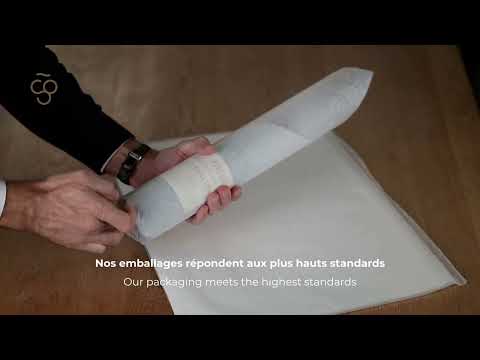
1960 wines appeal to enthusiasts who can look beyond a vintage’s reputation: a carefully selected grand cru from the Médoc or Pomerol, a mellow sweet wine, or a declared Douro Vintage Port ready to open. In a year of such contrasts, the choice of estate and the bottle’s condition matter above all else. Every bottle in our 1960 selection is inspected, checked for authenticity and provenance, then stored in optimal conditions before shipping. To compare vintages and refine your choice, consult the SoDivin Vintage Guide.